
Post Harvest Technology
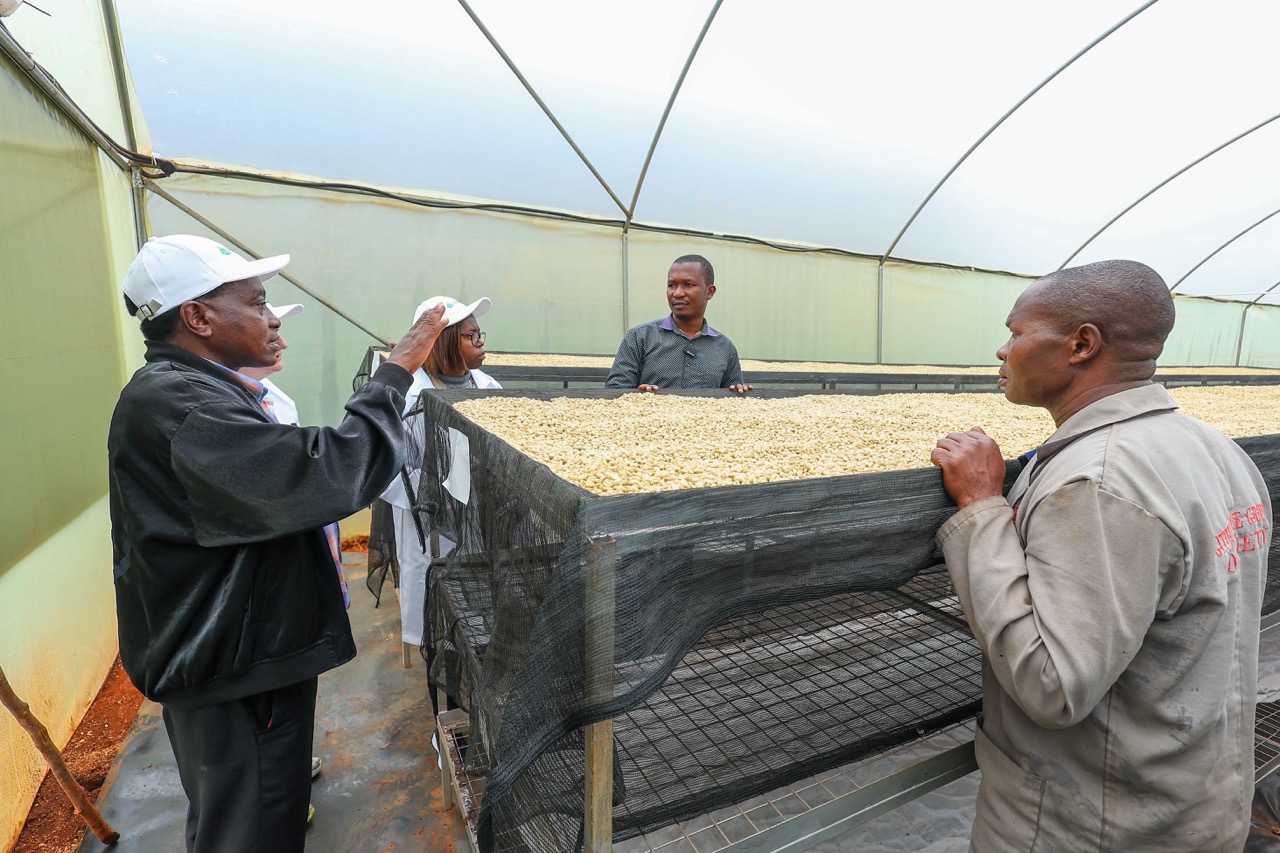
How Aggregation Hubs and Cooperatives Turn Crop Drying Into a Business
One smart solar dryer serving hundreds of farmers: how aggregation hubs work, who should run them, and what cooperatives, counties and funders should look for before investing.
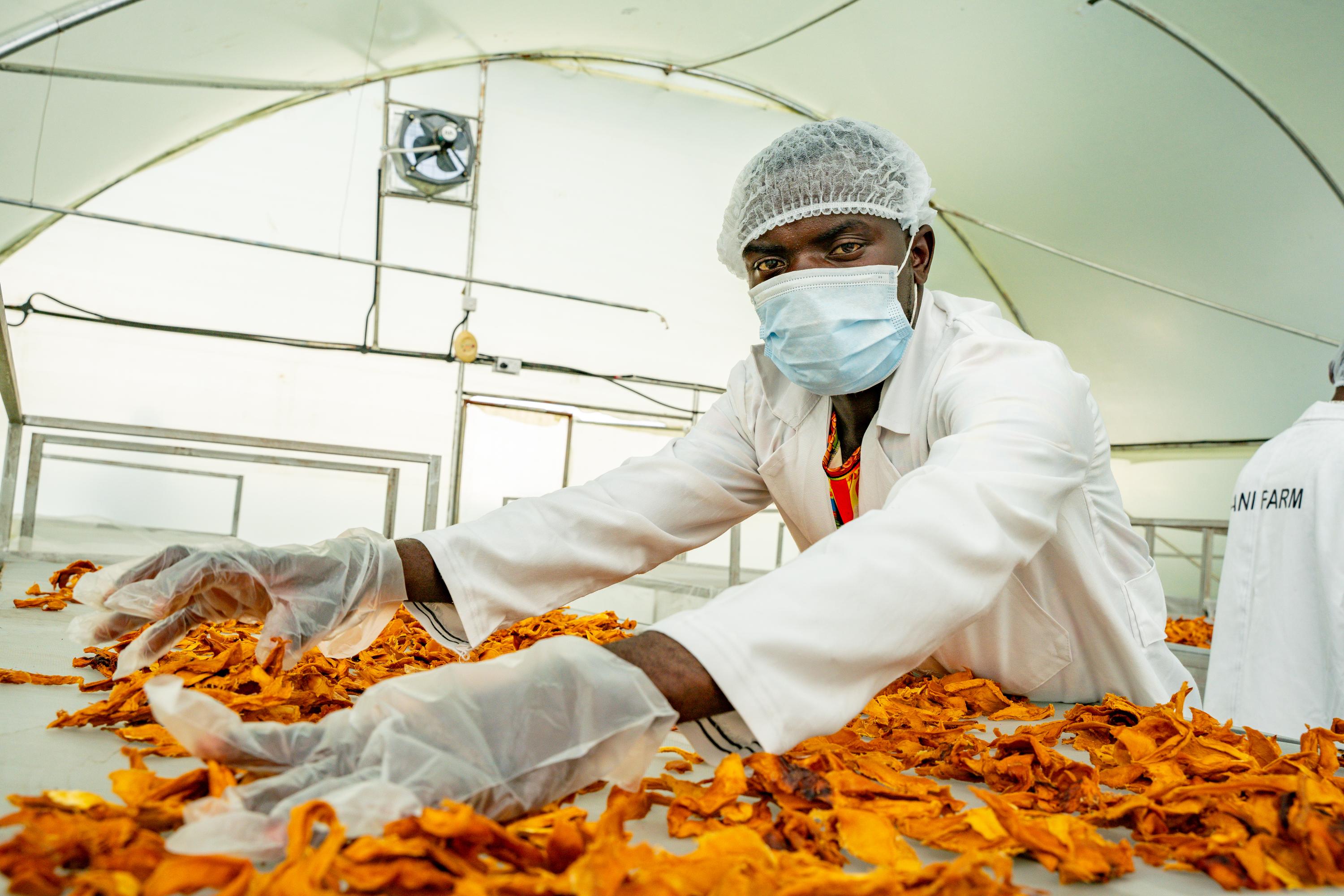
Beyond Maize and Coffee: Drying Cassava, Ginger, Hibiscus and Herbs for Premium Markets
One smart solar dryer can serve many value chains. What it takes to dry cassava, sweet potato, ginger, hibiscus, herbs and vegetables to the standards premium buyers demand.
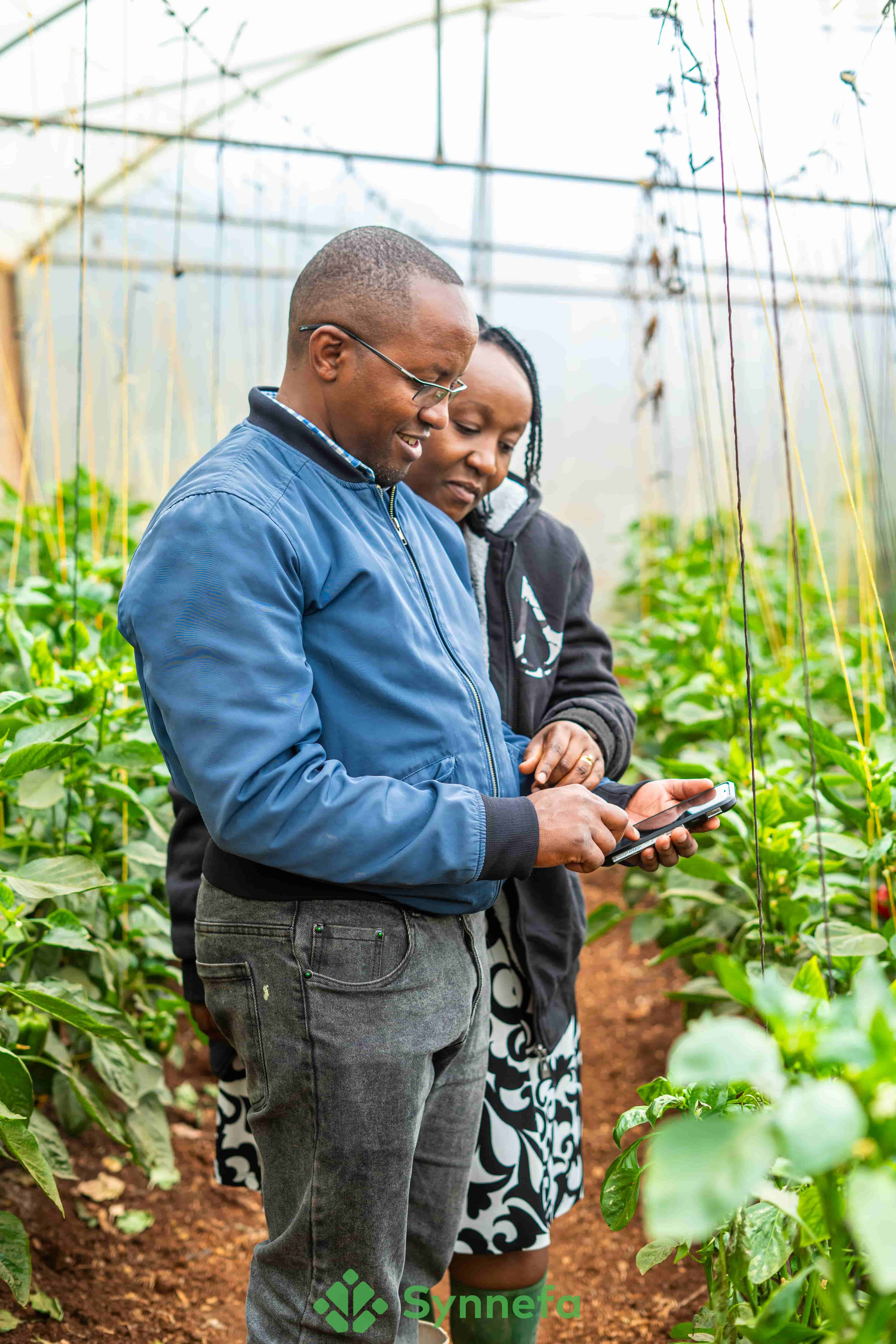
What Size Solar Dryer Do You Need? A Practical Sizing Guide for Farms and Agribusinesses
From 300 kg walk-in units to industrial dryers moving 8-10 tonnes a week: how to size a smart solar dryer from your harvest volumes, and the questions serious buyers ask before signing a quotation.
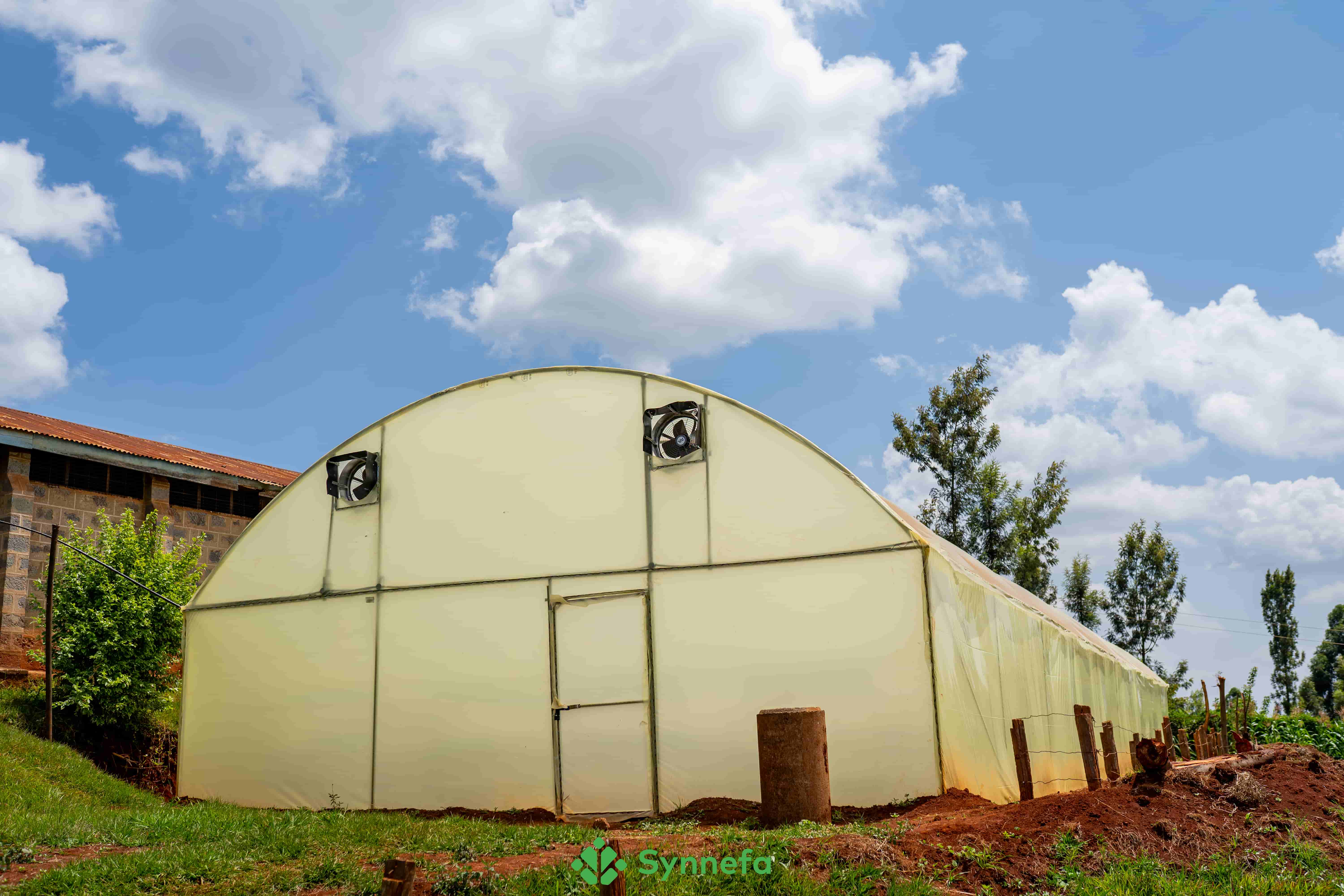
How to Finance a Smart Solar Dryer in Kenya: Rent-to-Own, Bank Financing and Drying-as-a-Service
Rent-to-own, bank asset financing, drying-as-a-service or outright purchase — a practical guide to paying for a smart solar dryer in Kenya, and how to choose the right plan for your farm or cooperative.
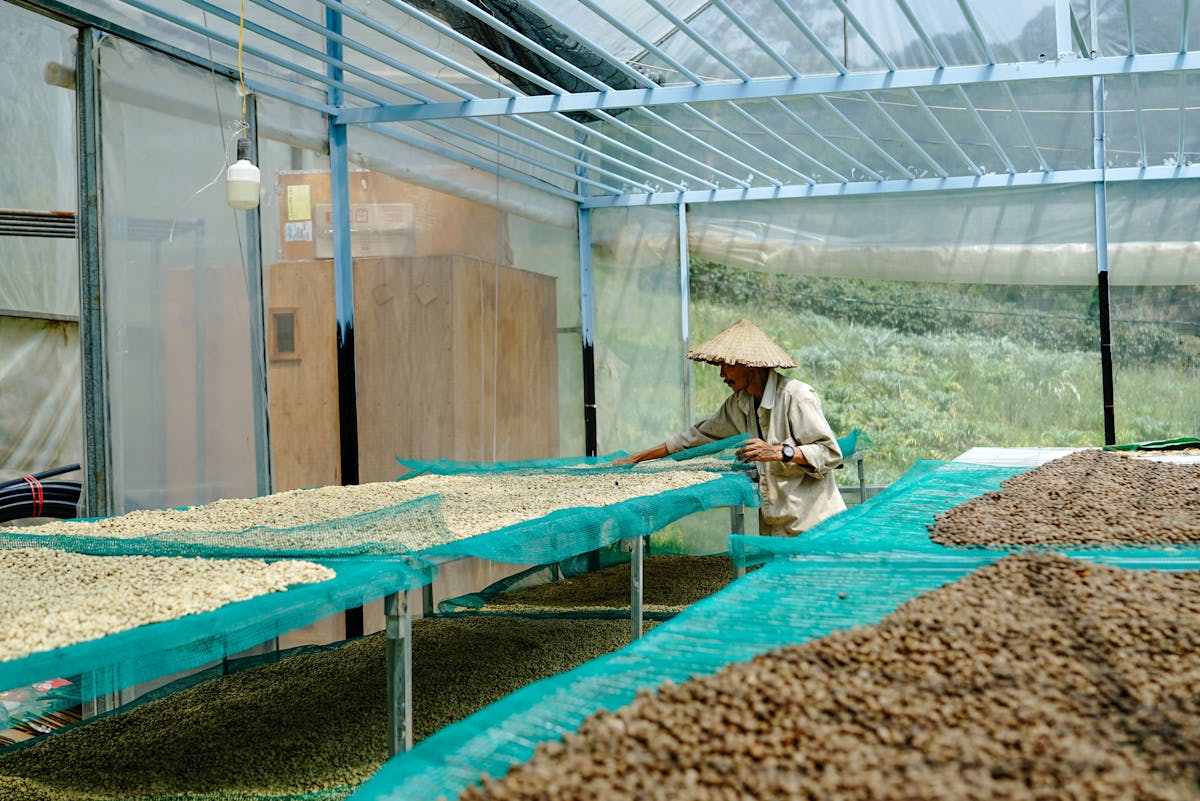
Why Kenyan Coffee Quality Is Won or Lost at the Drying Stage
Kenyan coffee earns its premium twice — at the farm and at the drying stage. Here is why documented, monitored drying is becoming the baseline requirement for access to premium markets.
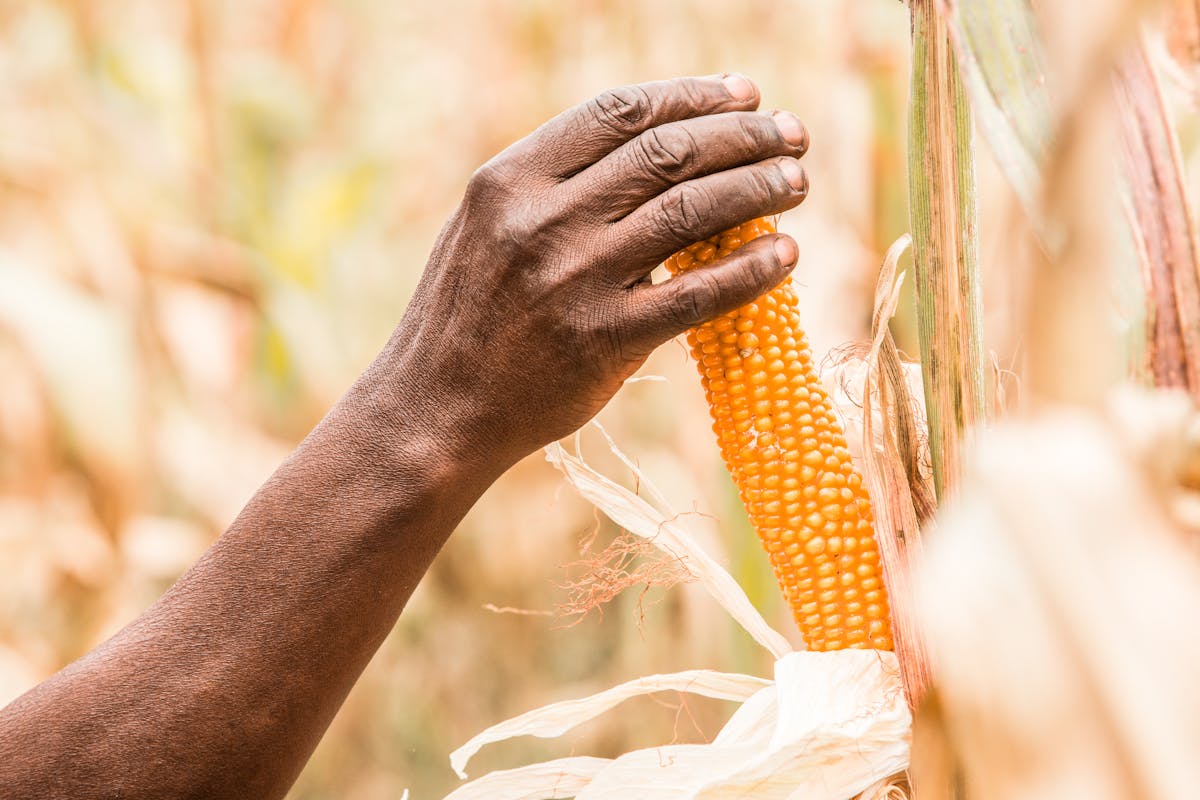
Post-Harvest Losses in Kenya: The Numbers Are Telling You Something Your Drying Process Is Not
Post-harvest losses in Kenya are not just a logistics problem. They are a data problem. Here is what happens when you give that process the information it has always been missing.
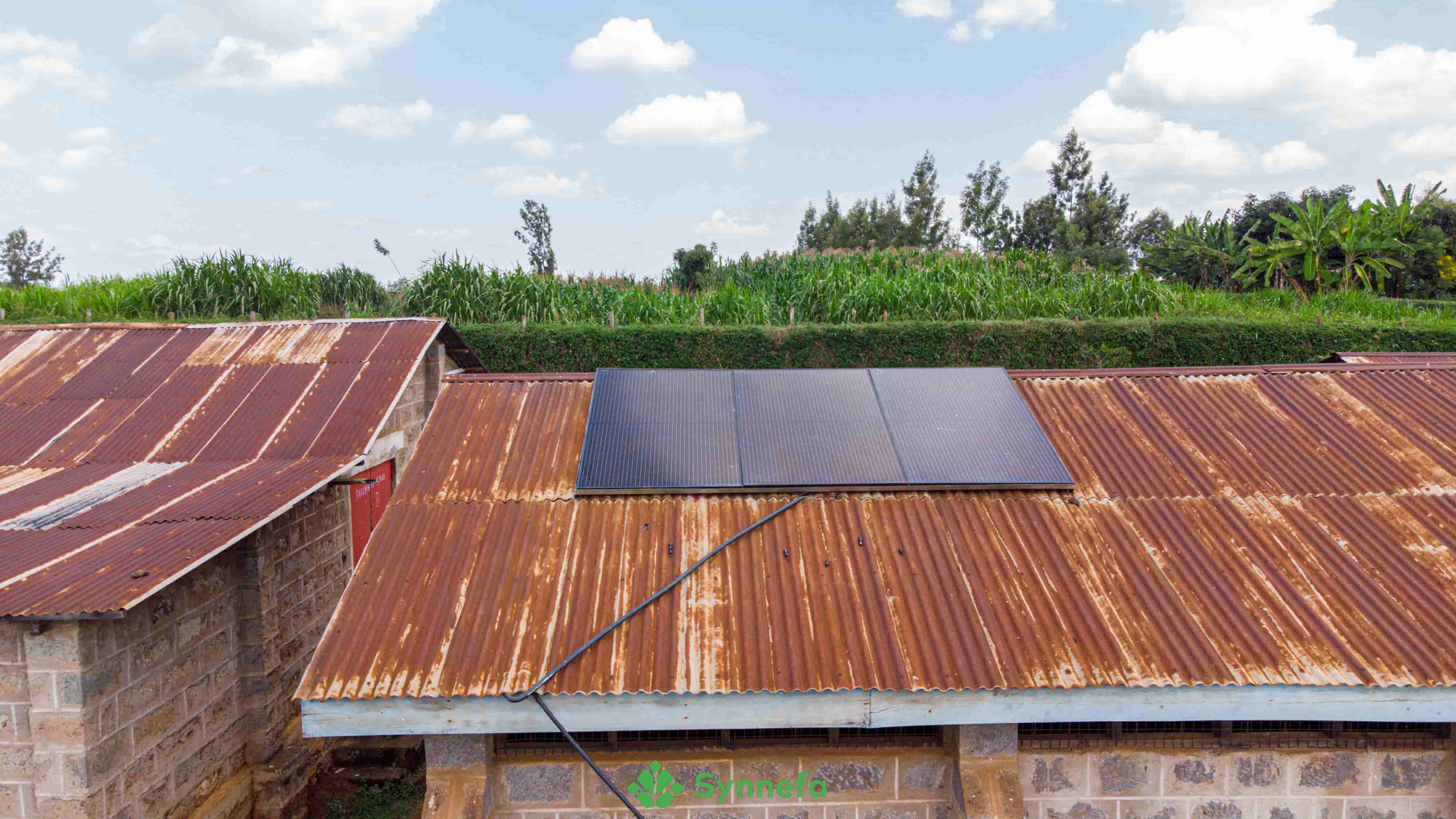
Crop Drying Technology in Africa: From Traditional Methods to Smart Solar Systems
A comprehensive comparison of crop drying technologies available in Africa, from open air sun drying to industrial heated systems. Learn why smart solar drying offers the best balance of cost, quality, and scalability for African agribusinesses.
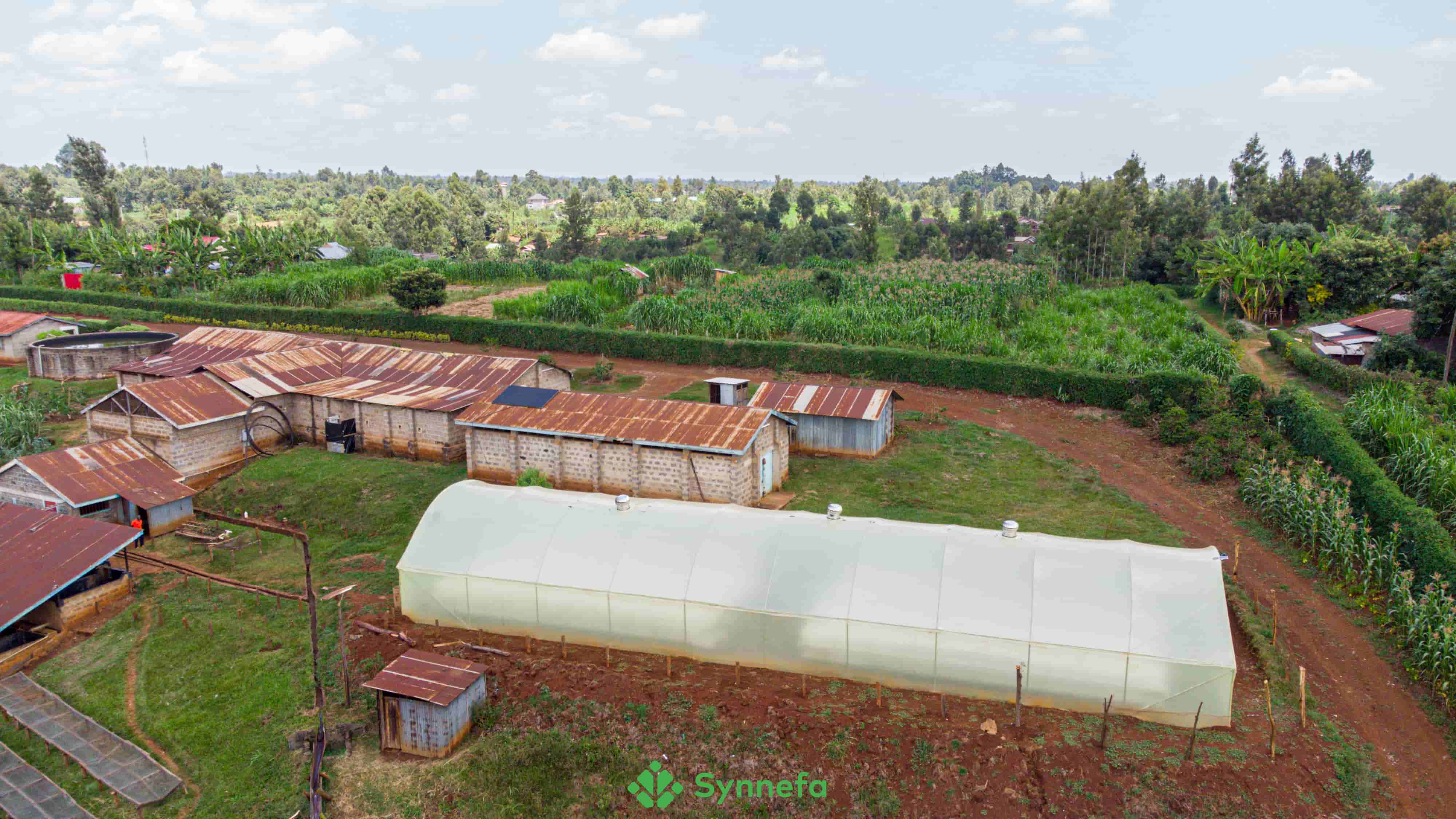
Aflatoxin in Kenyan Maize: Causes, Prevention, and the Role of Proper Drying
Aflatoxin contamination costs Kenya billions annually and poses serious health risks. Learn what causes aflatoxin in maize, how proper drying prevents it, and why controlled solar drying is the most effective solution for Kenyan farmers and agribusinesses.
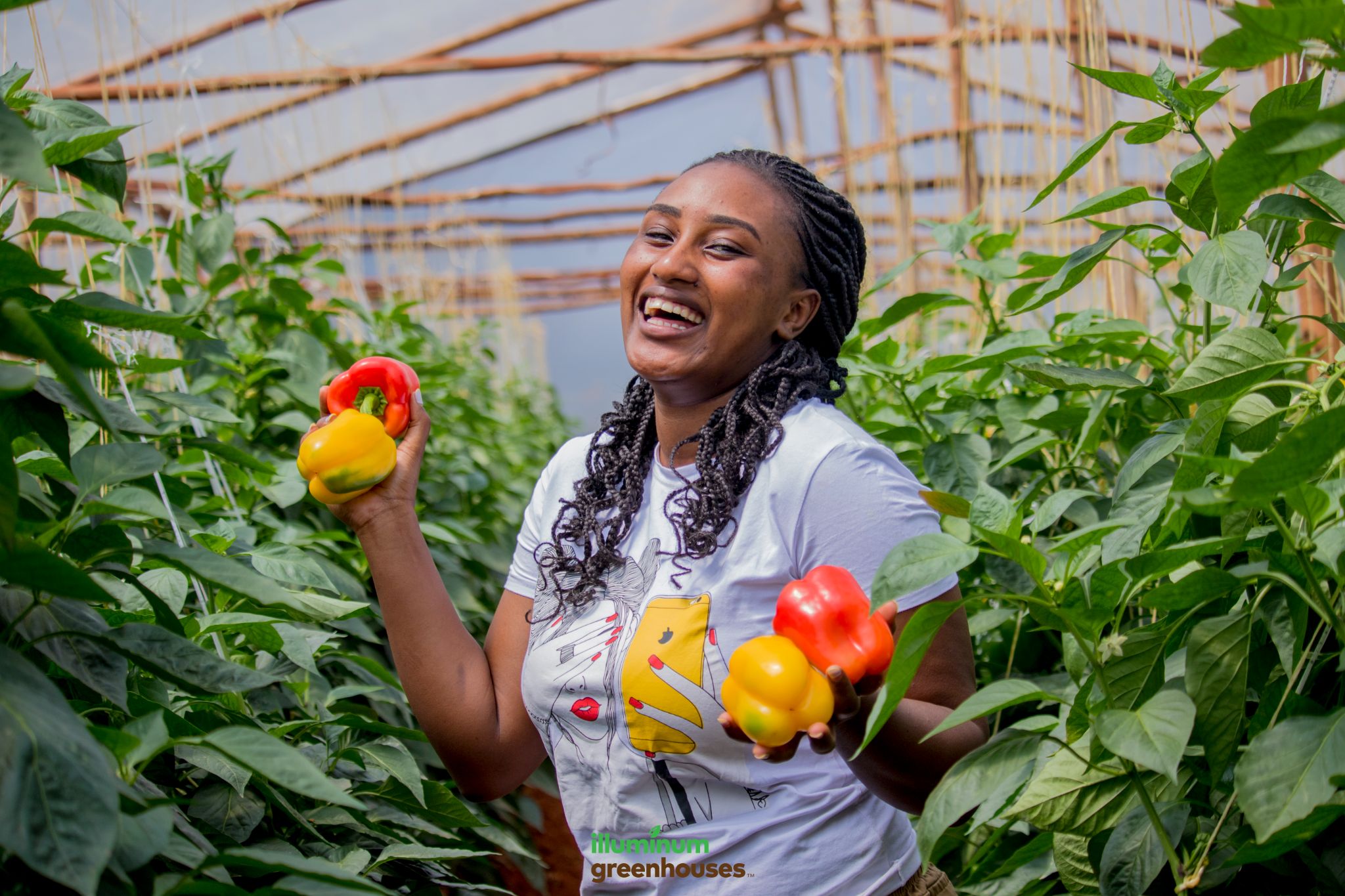
The Real Cost of Post Harvest Loss in Kenya and How to Fix It
Kenyan farmers lose an estimated KES 150 billion worth of crops every year to poor post harvest handling. This article quantifies the real cost of these losses by crop, identifies the root causes, and lays out the most cost effective interventions backed by data from across East Africa.
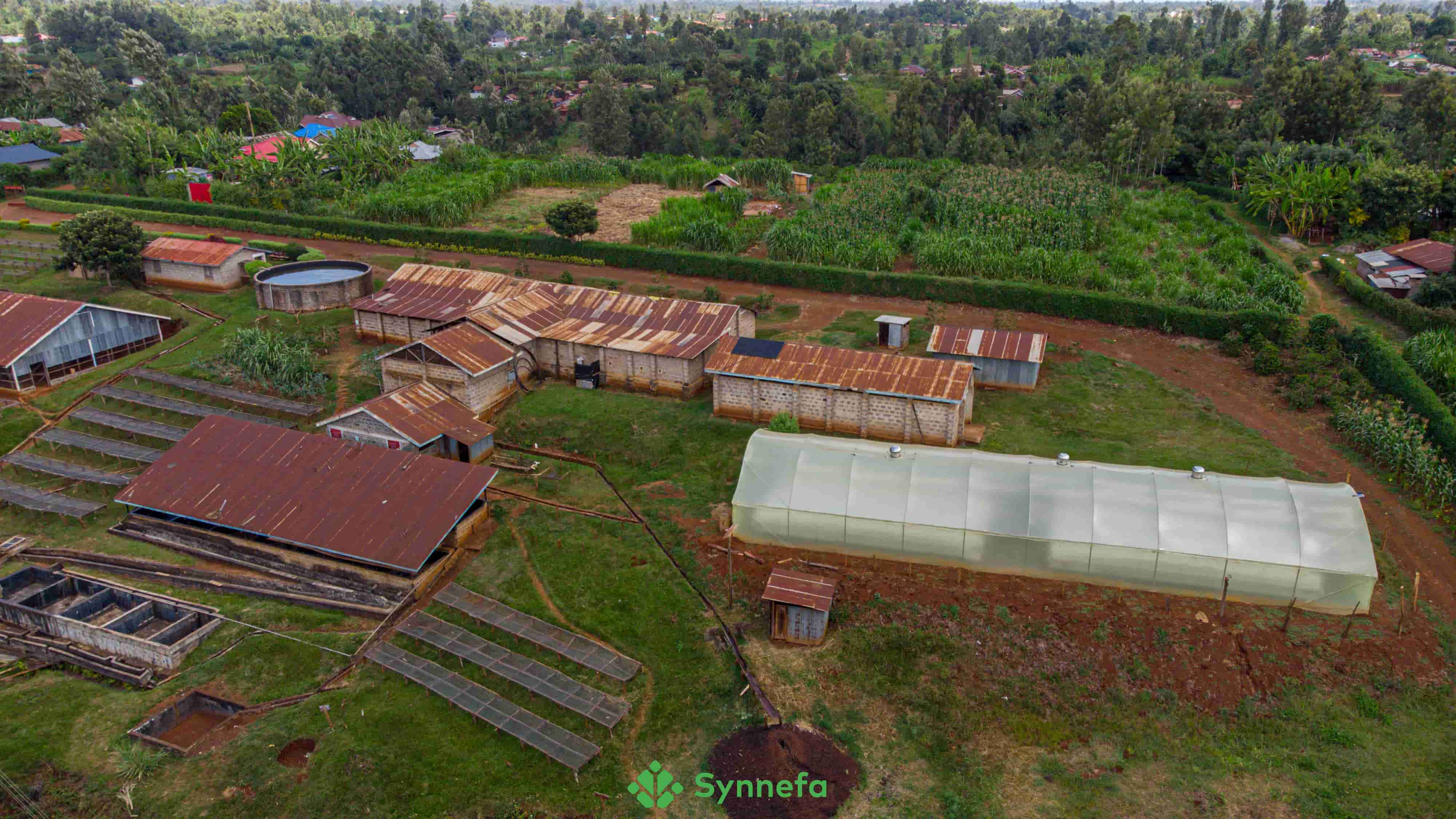
Smart Solar Dryer vs Traditional Drying: Which Method Saves More Crop Value?
A side by side comparison of smart solar dryers and traditional open air drying methods. We compare drying time, crop quality, losses, cost, and ROI to help you decide which method is right for your operation.
How to Reduce Post Harvest Losses: 5 Proven Methods for East African Farmers
Post harvest losses cost East African farmers up to 40% of their harvest every year. This article breaks down the five most effective methods to reduce these losses, from improved drying and storage to cold chain solutions and digital record keeping.
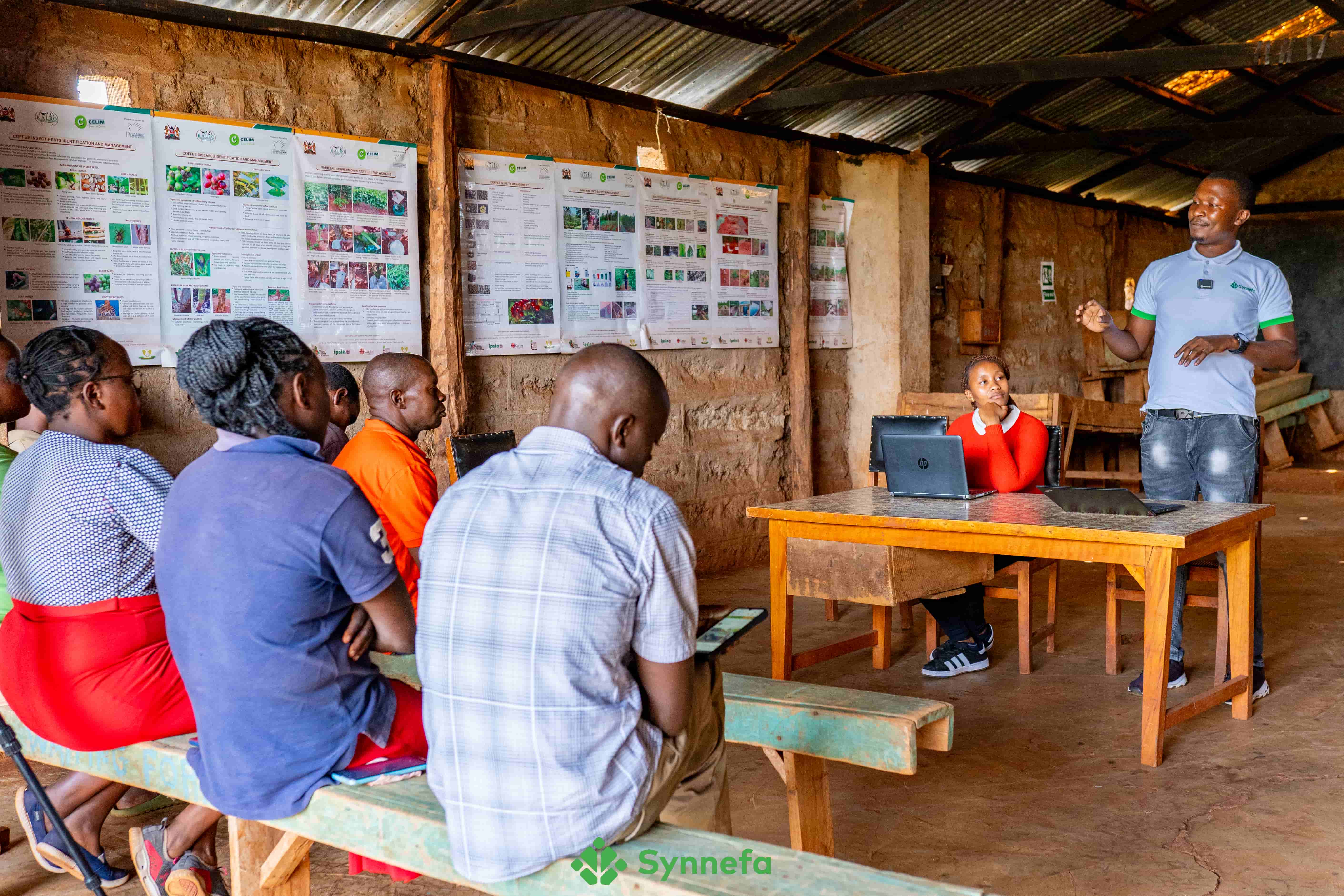
Solar Dryers in Kenya: The Complete Guide for Agribusinesses in 2026
Everything agribusinesses, cooperatives, and NGOs need to know about solar dryers in Kenya. This guide covers how solar dryers work, the different types available, costs and ROI, financing options including rent to own, and how to choose the right dryer for your crops and scale.