
Aflatoxin in Kenyan Maize: Causes, Prevention, and the Role of Proper Drying
The Aflatoxin Crisis in Kenyan Maize
Aflatoxin contamination is one of the most dangerous and underreported threats facing Kenyan agriculture. Produced by Aspergillus flavus and Aspergillus parasiticus fungi, aflatoxins are toxic compounds that thrive in warm, humid conditions, making Kenya's maize belt particularly vulnerable. According to the Food and Agriculture Organization (FAO), aflatoxin contamination affects up to 40% of food crops in sub Saharan Africa, with maize being the most severely impacted staple.
Kenya has experienced several devastating aflatoxin outbreaks. In 2004, an outbreak in Eastern Province killed over 125 people and hospitalised hundreds more, making it one of the deadliest aflatoxin events ever recorded globally. More recently, the Kenya Bureau of Standards (KEBS) has recalled multiple maize flour brands due to aflatoxin levels exceeding the national limit of 10 parts per billion (ppb). The economic cost runs into billions of KES annually through rejected exports, destroyed stock, and healthcare burdens.
For agribusinesses and farmers, aflatoxin is not just a health hazard. It is a direct threat to market access, profitability, and long term viability.
What Causes Aflatoxin in Maize?
Understanding the root causes of aflatoxin contamination is the first step toward prevention. The fungal spores that produce aflatoxins are naturally present in soil and air across East Africa, but contamination escalates when specific conditions align.
The primary driver is moisture. Maize harvested at moisture content above 13% creates ideal conditions for Aspergillus fungi to proliferate and produce aflatoxins. In Kenya, most smallholder farmers harvest maize at moisture levels between 18% and 25%, and traditional open air drying methods rarely bring this down to safe levels consistently. Unpredictable rainfall during the drying season compounds the problem, as partially dried maize absorbs moisture again.
Poor storage is the second major factor. Maize stored in unventilated spaces, directly on floors, or in bags without moisture barriers creates humid microclimates where fungi thrive. Temperature fluctuations between day and night cause condensation inside storage containers, further elevating moisture levels.
Insect damage also plays a critical role. Weevils and borers create entry points for fungal spores, and the metabolic heat generated by insect infestations raises local temperatures, accelerating toxin production. Field conditions matter too. Drought stress during grain filling, delayed harvesting, and contact between ears and soil all increase pre harvest contamination risk.
The Health and Economic Impact
Aflatoxin B1, the most potent naturally occurring carcinogen known, is classified as a Group 1 carcinogen by the International Agency for Research on Cancer (IARC). Chronic exposure through contaminated maize consumption contributes to liver cancer, immune suppression, and stunted growth in children. The World Health Organization estimates that aflatoxins contribute to up to 28% of liver cancer cases in Africa.
Economically, the losses are staggering. The Partnership for Aflatoxin Control in Africa (PACA) estimates that aflatoxin contamination costs African economies approximately USD 670 million annually in lost trade alone. Kenyan maize exports face rejection at international borders when aflatoxin levels exceed acceptable thresholds, which are set at 4 ppb in the European Union and 20 ppb in the United States.
For Kenyan agribusinesses, this means that aflatoxin is not a distant regulatory concern. It is a present commercial risk that affects pricing power, export eligibility, and buyer confidence. Processors who source contaminated grain face product recalls, reputational damage, and potential legal liability.
Why Proper Drying Is the Most Effective Prevention
Research consistently shows that rapid, controlled drying to below 13% moisture content is the single most effective intervention against aflatoxin contamination. A study published in the Journal of Stored Products Research found that maize dried to 12% moisture within 48 hours of harvest showed aflatoxin levels 85% lower than maize dried using traditional open air methods over 7 to 14 days.
The logic is straightforward. Aspergillus fungi require moisture levels above 14% and temperatures between 25°C and 35°C to produce aflatoxins. By reducing moisture rapidly and maintaining it below the critical threshold, you eliminate the conditions that enable toxin production. Every additional day that maize sits at elevated moisture levels increases contamination risk exponentially.
Traditional drying methods fail on multiple fronts. Open air sun drying on tarpaulins or bare ground is slow, weather dependent, and exposes grain to dust, animal contamination, and re wetting. It also provides no control over temperature or airflow, meaning drying is uneven and outer layers may appear dry while interior moisture remains dangerously high.
How Smart Solar Drying Solves the Aflatoxin Problem
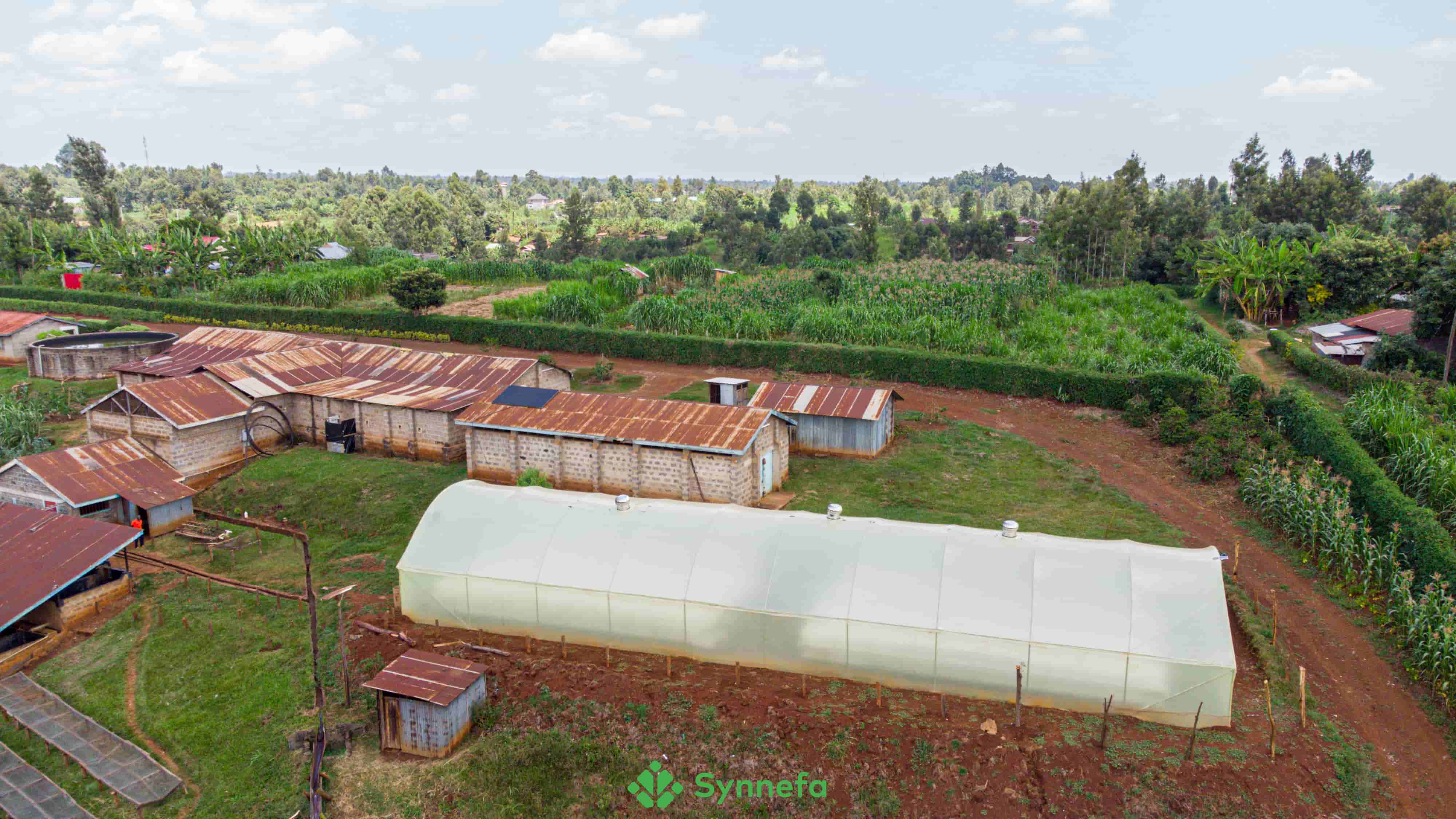
The Synnefa Smart Solar Dryer addresses every failure point of traditional drying through controlled environment technology. The system combines solar thermal energy capture with engineered airflow and real time sensor monitoring to deliver consistent, rapid drying that brings maize to safe moisture levels within 24 to 48 hours.
The integrated FarmShield IoT monitoring system tracks temperature and humidity inside the dryer continuously, sending data to the FarmCloud dashboard where operators can monitor conditions remotely. If moisture levels plateau or temperatures deviate from optimal ranges, the system alerts operators to adjust ventilation or loading density. This data driven approach eliminates the guesswork that makes traditional drying unreliable.
Controlled airflow is critical. The dryer's ventilation system ensures even air distribution across the entire grain bed, preventing the moisture pockets that form in static drying. Unlike open air methods, the enclosed system protects grain from rain, dust, pests, and ground moisture, maintaining hygienic conditions throughout the drying process.
The results are measurable. Agribusinesses using Synnefa dryers have reported aflatoxin levels consistently below 5 ppb, well within both Kenyan and international export standards. This translates directly into higher grade classifications, premium pricing, and access to export markets that reject conventionally dried maize.
Building an Aflatoxin Prevention Strategy for Your Operation
Effective aflatoxin management requires a whole chain approach, not just better drying. Start with harvest timing. Maize should be harvested as soon as it reaches physiological maturity, typically at 20% to 25% moisture content, rather than leaving it to field dry where it remains vulnerable to fungal infection and insect damage.
Immediately after harvest, sort and remove visibly damaged, discoloured, or insect infested ears. Research from the International Institute of Tropical Agriculture (IITA) shows that sorting alone can reduce aflatoxin levels by 40% to 60% before drying even begins.
Dry to below 13% moisture within 48 hours using controlled drying technology. Monitor moisture content with calibrated meters rather than relying on physical indicators like grain hardness, which are unreliable. Store dried grain in hermetic storage or well ventilated structures with moisture barriers, and monitor storage conditions regularly.
For agribusinesses processing at scale, investing in aflatoxin testing equipment alongside proper drying infrastructure creates a quality assurance system that protects both your operation and your buyers. Rapid test kits using lateral flow immunoassay technology cost between KES 500 and KES 1,500 per test and deliver results in under 15 minutes.
The Commercial Case for Aflatoxin Free Maize
Beyond risk mitigation, producing verifiably aflatoxin free maize opens significant commercial opportunities. Premium buyers including large scale millers, animal feed manufacturers, and export aggregators increasingly require aflatoxin certification as a procurement condition. The price premium for certified low aflatoxin maize ranges from 10% to 25% above standard market rates in East African markets.
Export markets offer even larger premiums. Kenyan maize that meets EU standards (below 4 ppb total aflatoxins) commands prices 30% to 50% above domestic rates when sold into regional markets with stringent import requirements. For agribusinesses with the drying and testing infrastructure to guarantee compliance, this represents a substantial competitive advantage.
The investment case is clear. A Synnefa Smart Solar Dryer pays for itself within two to three harvest cycles through reduced losses, higher grade classifications, and premium market access. Combined with proper sorting, storage, and testing protocols, it transforms aflatoxin from a recurring cost centre into a solved problem.
Ready to eliminate aflatoxin risk from your maize operation? Request a consultation to discuss the right drying solution for your processing volumes and quality targets. You can also explore how our smart solar dryer technology integrates with your existing post harvest workflow, or read more about proven methods to reduce post harvest losses and the complete guide to solar dryers in Kenya.
Similar posts
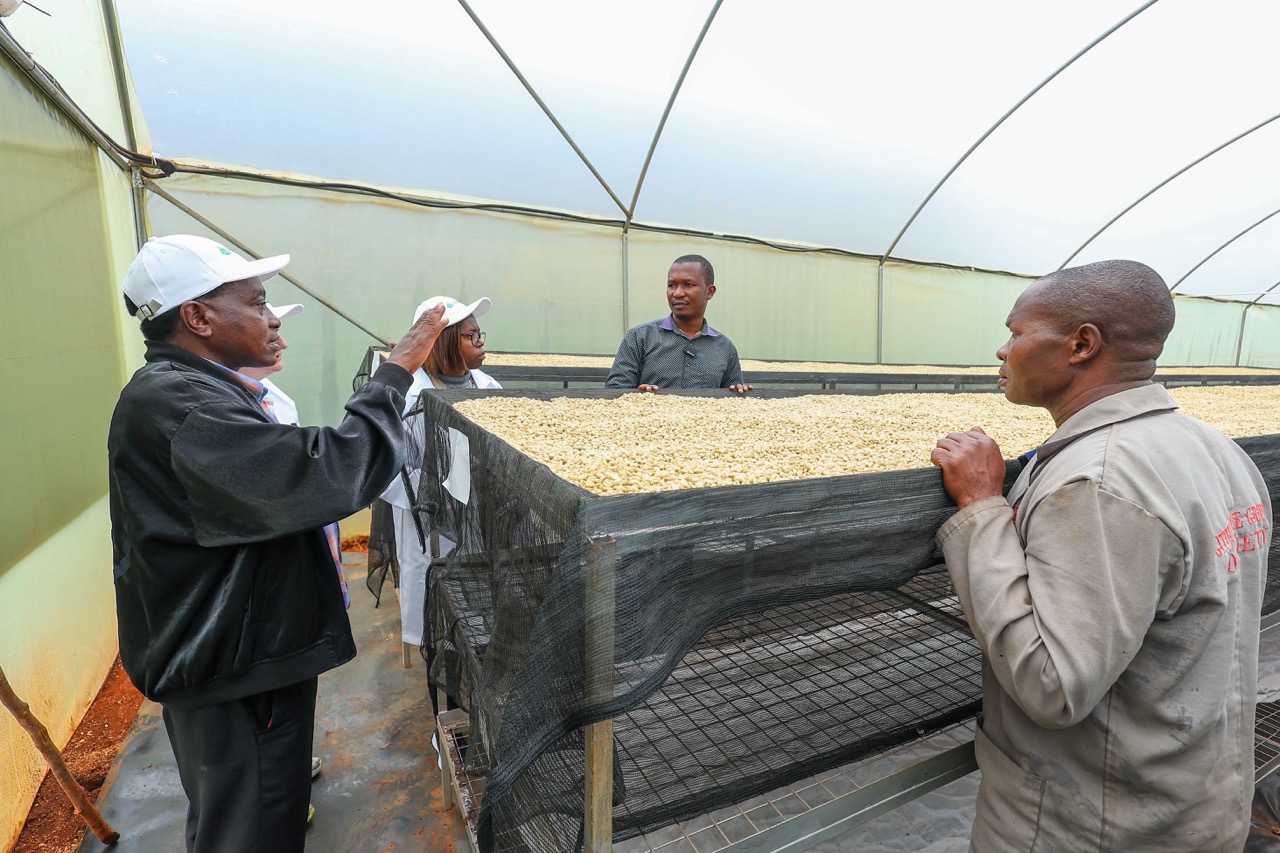
How Aggregation Hubs and Cooperatives Turn Crop Drying Into a Business
One smart solar dryer serving hundreds of farmers: how aggregation hubs work, who should run them, and what cooperatives, counties and funders should look for before investing.
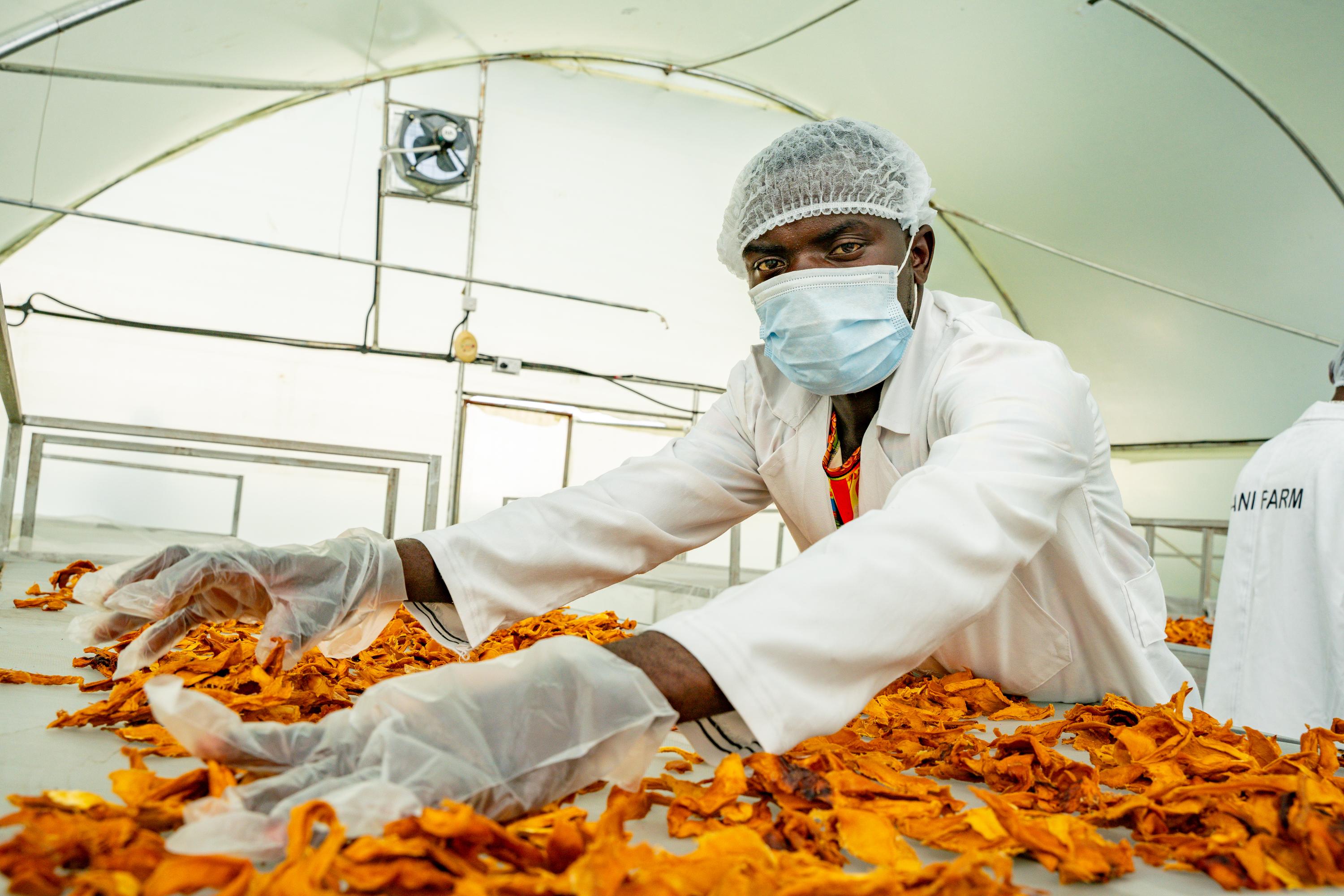
Beyond Maize and Coffee: Drying Cassava, Ginger, Hibiscus and Herbs for Premium Markets
One smart solar dryer can serve many value chains. What it takes to dry cassava, sweet potato, ginger, hibiscus, herbs and vegetables to the standards premium buyers demand.