
Post-Harvest Losses in Kenya: The Numbers Are Telling You Something Your Drying Process Is Not
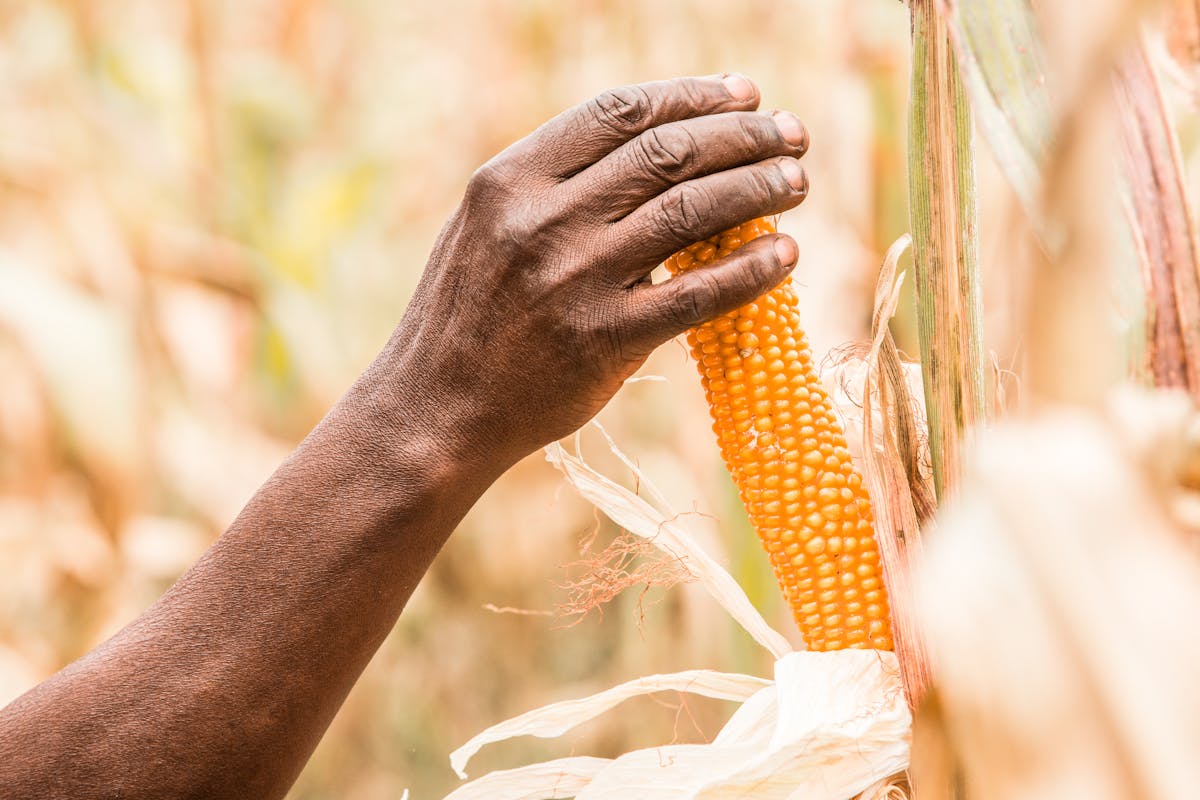
Kenya loses between 30 and 50 percent of agricultural output every year before it reaches the end buyer. In a sector where farmers are operating on thin margins, where input costs are rising, and where climate variability is shortening reliable drying windows, that number is not a statistic. It is the difference between a profitable season and a loss.
Most of that damage happens during drying — or rather, during the absence of controlled, monitored drying.
Where the Loss Actually Happens
It is easy to think of post-harvest loss as a logistics problem. The image that comes to mind is spoiled produce rotting in a poorly equipped store, or grain left in the open after a harvest. That happens, and it matters. But the larger and more costly losses happen earlier, at the drying stage, and they are largely invisible until they reach the buyer.
Drying that takes too long creates the conditions for mold and aflatoxin contamination. Drying that is too rapid or uneven cracks grain, splits dried vegetables, and compromises the structural integrity of the product in ways that reduce its grading and market price. Drying conducted without temperature monitoring means that on the days the sun does not cooperate — overcast mornings, rainy afternoons — the operator does not know whether drying conditions have fallen below the threshold needed to prevent microbial activity. By the time the batch is opened and inspected, the damage is already done.
The post-harvest loss problem in Kenya is, at its core, a data problem. The interventions that have the largest impact are not the ones that add more physical infrastructure. They are the ones that add information to a process that has historically had none.
What Agrienterprises Are Learning About the ROI of Drying Technology
The business case for investing in monitored drying infrastructure is becoming harder to ignore for any agrienterprise operating at volume. Consider what the numbers look like at the operational level.
A cooperative processing 50 tonnes of produce per season and losing 30 percent to post-harvest damage is not losing a percentage — it is losing 15 tonnes of sellable product every cycle. At even conservative farmgate prices, that is material revenue walking out the door. When you add the cost of rejected produce at the buyer end, the reputational cost of inconsistent quality, and the operational cost of extended drying times tying up working capital and dryer capacity, the financial argument for a technology investment becomes very clear very fast.
Synnefa's smart solar dryers deploy FarmShield IoT sensors inside the drying environment to track temperature, humidity, and airflow in real time. The data feeds into FarmCloud, which monitors every batch and alerts operators to conditions that fall outside the optimal range. The result in the field is a 45 percent reduction in post-harvest losses and a 54 percent improvement in drying efficiency, with drying times reduced from five to seven days to two to three days per batch.
For a procurement manager, what those numbers translate to is this: more batches processed per season, less product lost per batch, and a documented performance record that satisfies increasingly demanding buyer and export requirements.
The Documentation Gap That Is Closing
There is a second dimension to the post-harvest loss conversation that most operations in Kenya are not yet having, but will need to soon. International buyers, institutional food programs, and export market regulators are tightening traceability requirements across the agri-supply chain. The EU's updated food safety and due diligence standards are already filtering into procurement requirements for Kenyan exporters. The question buyers are beginning to ask is not just what the moisture content of this product is, but how it was dried, over what period, at what temperature, and who verified it.
A passive solar dryer answers none of those questions because it records nothing. A smart dryer with a cloud-connected monitoring system answers all of them automatically, generating a documented chain of custody for every batch processed.
The Realistic Path Forward
No technology eliminates post-harvest loss entirely. The variables in agricultural production are too many and too unpredictable for that. But the gap between what Kenya's agrienterprises are currently losing and what is preventable with better drying infrastructure is substantial, well-documented, and addressable today.
The enterprises that move first on this will not just reduce losses. They will build the data trail that increasingly defines market access — and that advantage compounds with every season they run while competitors are still drying blind.
Similar posts
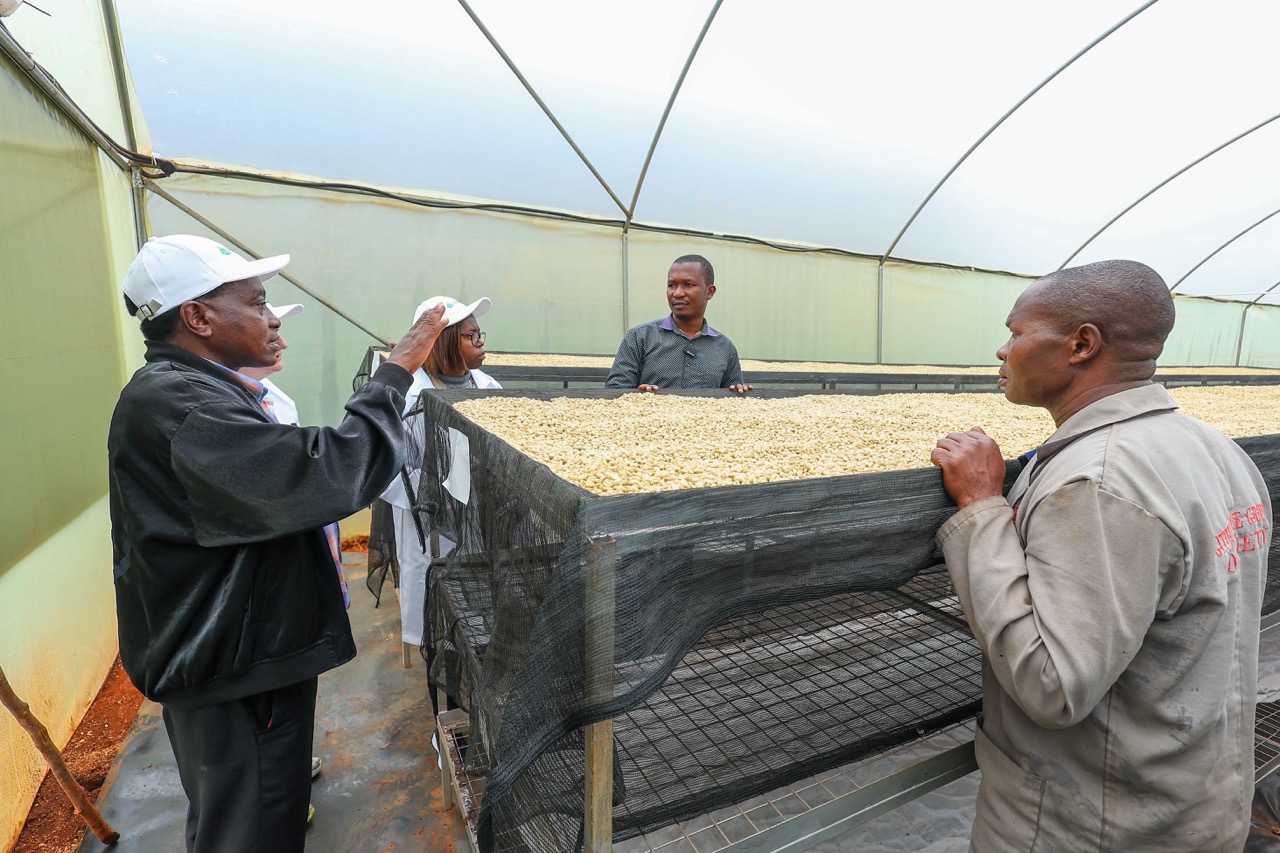
How Aggregation Hubs and Cooperatives Turn Crop Drying Into a Business
One smart solar dryer serving hundreds of farmers: how aggregation hubs work, who should run them, and what cooperatives, counties and funders should look for before investing.
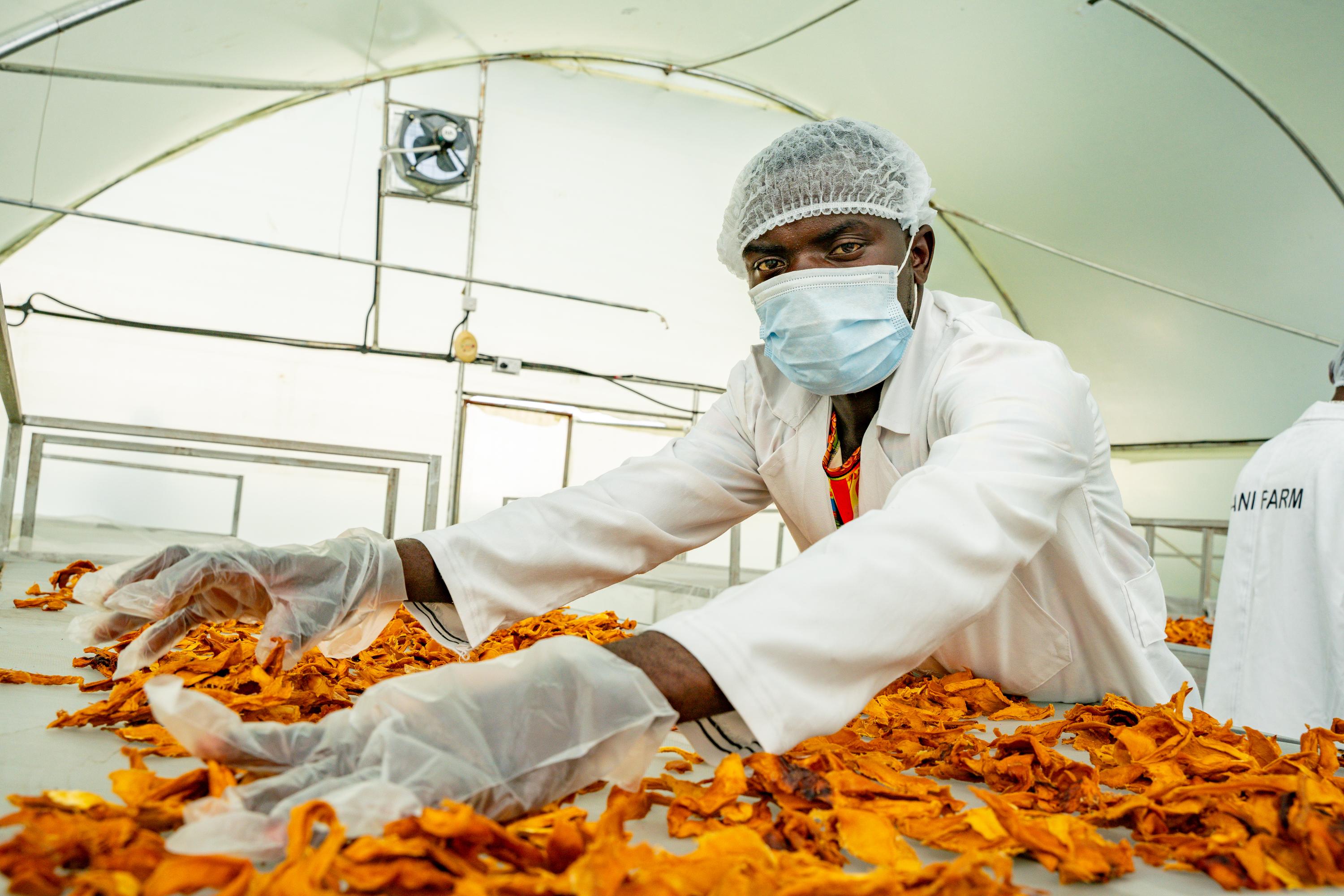
Beyond Maize and Coffee: Drying Cassava, Ginger, Hibiscus and Herbs for Premium Markets
One smart solar dryer can serve many value chains. What it takes to dry cassava, sweet potato, ginger, hibiscus, herbs and vegetables to the standards premium buyers demand.