
How to Reduce Post Harvest Losses: 5 Proven Methods for East African Farmers
The Scale of the Problem
Post harvest losses in Sub Saharan Africa are estimated at USD 48 billion annually according to the African Postharvest Losses Information System (APHLIS). In East Africa specifically, Kenya loses an estimated 30 to 40% of its cereal production after harvest, while Uganda and Tanzania report similar figures. For smallholder farmers who depend on agriculture for their livelihoods, these losses represent the difference between breaking even and building a sustainable business. Read our detailed breakdown of the real cost of post harvest losses in Kenya.
1. Controlled Solar Drying
Inadequate drying is the single largest cause of post harvest loss in grains, herbs, and many horticultural products. When crops are dried on open ground or tarps, they are exposed to rain, dust, animal contamination, and inconsistent temperatures. This leads to uneven moisture content, mould growth, and aflatoxin contamination.
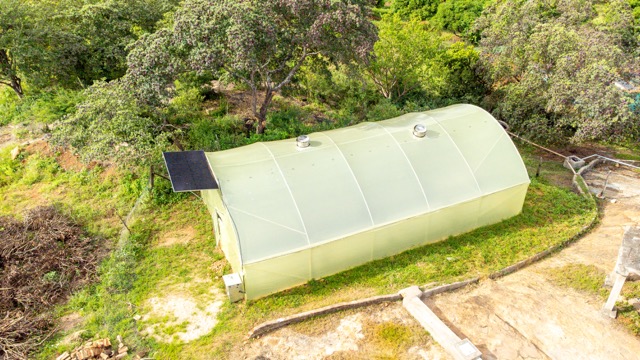
Solar dryers address this by creating an enclosed, controlled environment where temperature and airflow are managed to remove moisture consistently. Modern smart solar dryers like those developed by Synnefa use IoT sensors to monitor temperature and humidity in real time, ensuring crops reach the exact moisture content required for safe storage and premium pricing. A cooperative processing 10 tonnes of maize per season that reduces losses from 30% to under 5% through proper solar drying saves approximately 2.5 tonnes of grain, translating to over KES 100,000 in recovered value per season. See our detailed comparison of smart solar dryers versus traditional drying.
2. Improved Storage Solutions
Even perfectly dried crops can be lost if storage is inadequate. Hermetic storage solutions such as PICS bags work by creating an airtight environment that suffocates insects without chemicals. They cost between KES 150 and KES 300 per bag and can be reused for 2 to 3 seasons. For larger operations, metal silos and hermetic cocoons provide scaled storage. The key requirement is that crops must be properly dried before going into hermetic storage.
3. Cold Chain and Refrigeration
For perishable products like fruits, vegetables, dairy, and fish, temperature management is critical. Solar powered cold rooms are increasingly available and affordable for cooperatives. A cooperative handling tomatoes that currently loses 40% to spoilage can recover most of that loss with a solar cold room, typically recovering the investment within 2 to 3 seasons.
4. Quality Sorting and Grading
Many post harvest losses are value losses rather than physical losses. When high quality produce is mixed with damaged product, the entire batch sells at the lower price. For dried herbs destined for export, colour sorting alone can increase revenue by 20 to 30%. Simple gravity tables, hand sorting protocols, and basic grading standards can be implemented with minimal investment.
5. Digital Record Keeping and Traceability
Digital tools for tracking production, processing, and sales data help identify where losses occur. Farm management platforms like Synnefa's FarmCloud allow cooperatives to log activities, track inventory, and connect to premium markets. For export buyers, digital traceability is increasingly a requirement that opens doors to premium pricing. IoT monitoring through FarmShield adds real time environmental data to the digital record.
Getting Started
The most effective approach combines multiple methods into an integrated system. For most grain and horticultural value chains in East Africa, controlled drying is the highest impact first investment. For a complete overview of solar drying options in Kenya, read our complete guide to solar dryers. Request a consultation to assess your operation and find the right solution.
Similar posts
How Aggregation Hubs and Cooperatives Turn Crop Drying Into a Business
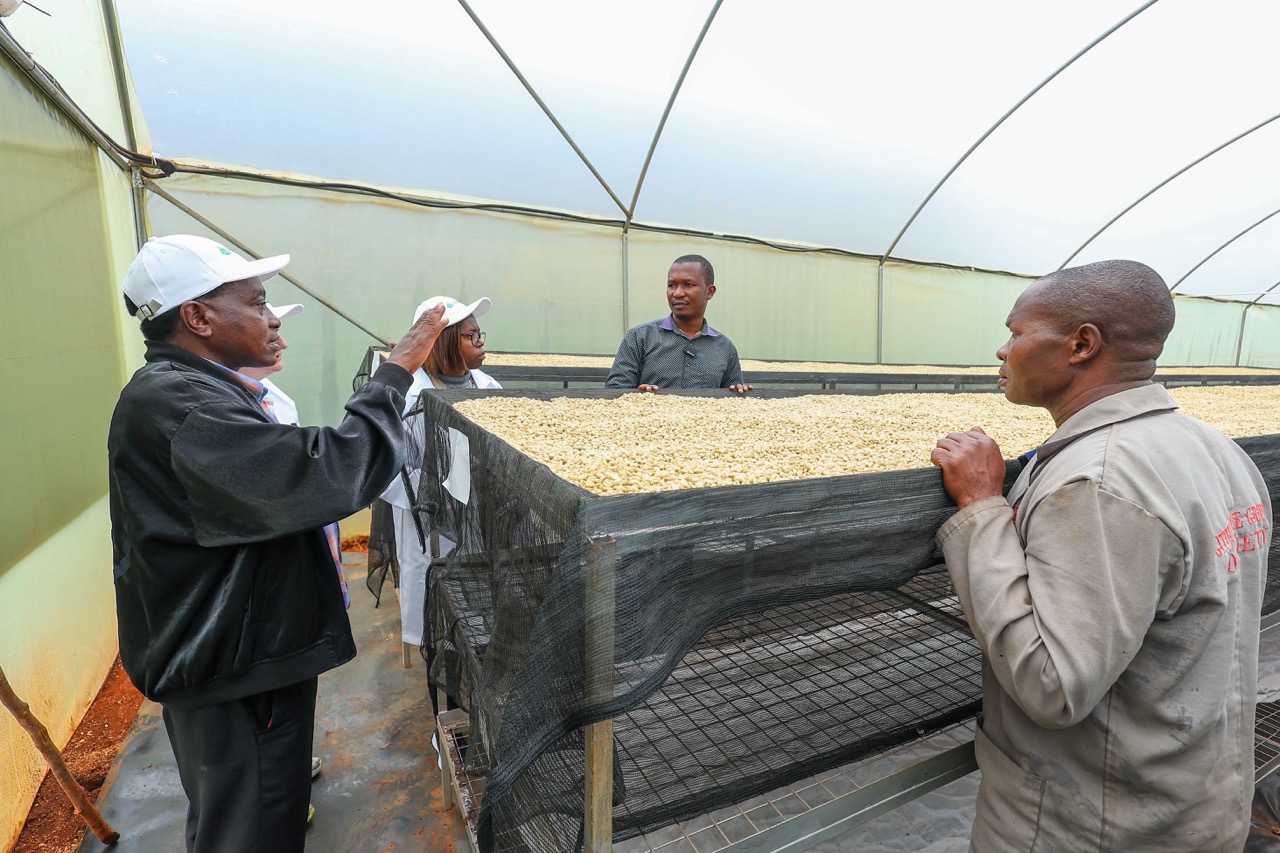
One smart solar dryer serving hundreds of farmers: how aggregation hubs work, who should run them, and what cooperatives, counties and funders should look for before investing.
Beyond Maize and Coffee: Drying Cassava, Ginger, Hibiscus and Herbs for Premium Markets
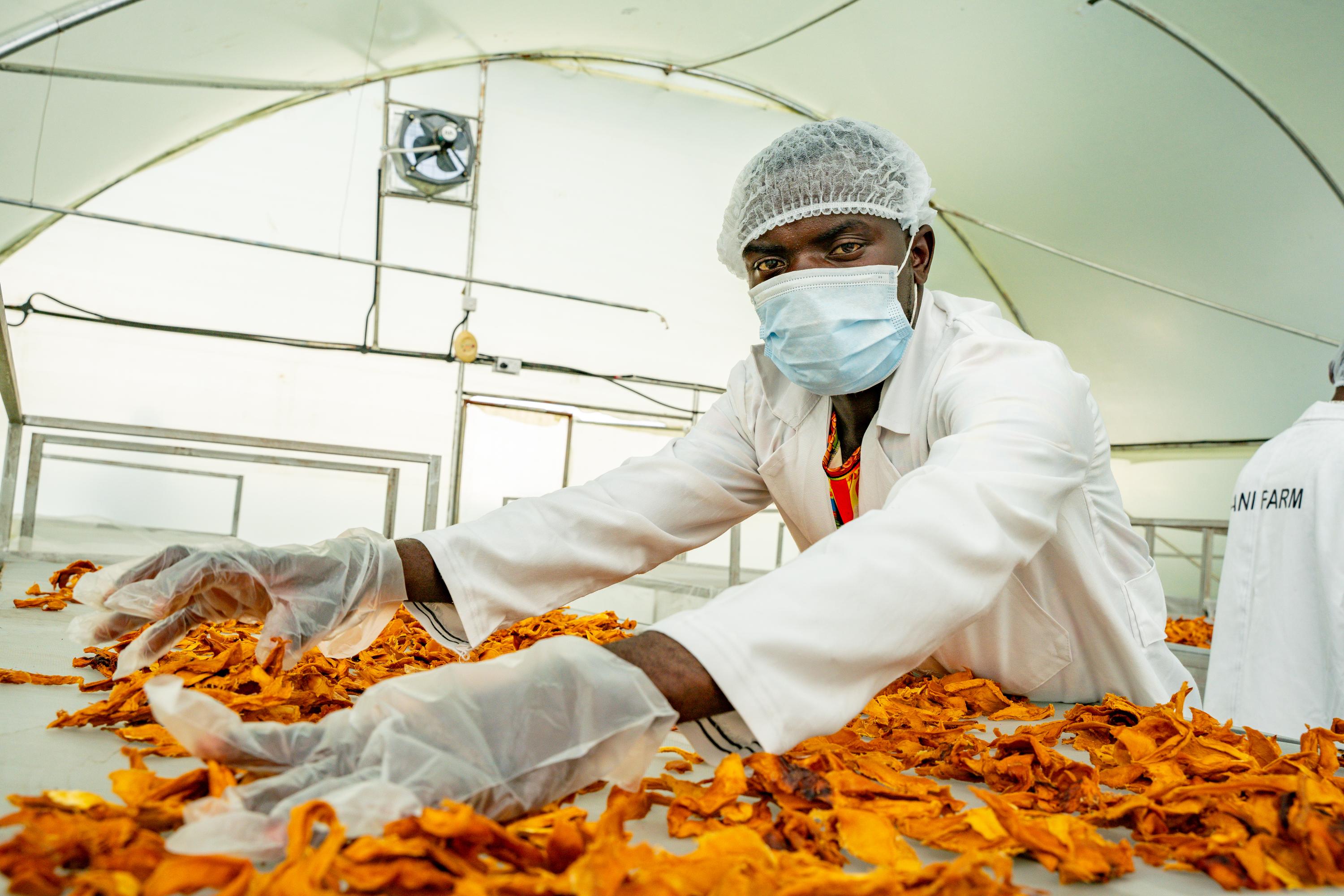
One smart solar dryer can serve many value chains. What it takes to dry cassava, sweet potato, ginger, hibiscus, herbs and vegetables to the standards premium buyers demand.