
What Size Solar Dryer Do You Need? A Practical Sizing Guide for Farms and Agribusinesses
"What size solar dryer do I need?" is the single most frequent question our team answers on sales calls. It is also the question where a wrong answer costs the most. An undersized dryer becomes a bottleneck at peak harvest, exactly when you need it most. An oversized one ties up capital in capacity you rarely use.
This guide explains how to size a smart solar dryer properly — starting from your harvest, not from a catalogue — and lists the questions the most prepared buyers ask before they sign a quotation.
Start from your harvest, not the brochure
Three numbers determine the dryer you need. First, your peak weekly volume: how many kilogrammes of fresh produce arrive in your busiest week, not your average week. Second, your crop mix: different crops dry at different rates and to different target moisture levels, so a dryer that turns around vegetables in a day may hold coffee parchment for much longer. Third, your growth plan: if you intend to aggregate produce from neighbours or expand acreage within two seasons, size for that future, because drying capacity is much cheaper to buy once than to retrofit.
The main size classes
Smart solar dryers are built as walk-in tunnel structures, and capacity scales with footprint. At the smaller end, a unit of roughly 4 metres by 10 metres handles on the order of 300 kilogrammes and more of fresh produce per drying cycle — a good fit for a single commercial farm, a small women's or youth group, or a specialty processor working with high-value crops like ginger or hibiscus. Mid-sized structures, such as 8 metres by 30 metres, serve cooperatives and aggregation centres that need to dry several tonnes per week. At the industrial end, large-format installations of 16 metres by 30 metres and similar can move eight to ten tonnes through in a week, which is the scale at which processors and exporters typically operate.
Inside, capacity is a function of rack area rather than floor area alone: multi-tier drying racks multiply the usable surface, which is why two dryers with the same footprint can have very different throughput. The right internal configuration depends on your crop — thin-layer crops like herbs need more spread area, while coffee parchment needs deep beds and steady airflow.
Why the pre-site survey matters
Every serious installation begins with a site survey, and buyers sometimes underestimate why. The survey confirms the ground is level and drains well, checks solar orientation so panels and the drying tunnel capture what they should, verifies access for delivery and construction, and maps where produce will flow in and out. It is also where crop-specific requirements surface: a farm drying both ginger and hibiscus, for example, needs surfaces that clean easily so that scents do not transfer between batches — a real concern raised by customers drying aromatic crops back to back.
Skipping or rushing the survey is how projects end up with avoidable delays. Treat it as part of the purchase, not a formality.
The questions serious buyers ask
The most rigorous purchase inquiries we receive — often from agribusinesses comparing several suppliers — tend to cover the same ground, and they are worth borrowing whatever your size. Ask for the technical specification in writing: dimensions, rack area, airflow design, solar and backup power configuration. Ask what is included in the price: delivery, civil works, installation, commissioning and operator training are not the same line item as the structure itself. Ask about timelines from payment to first drying batch. Ask what the warranty covers and for how long, and what after-sales support looks like in practice: who do you call, how fast do they respond, and are spare parts stocked locally? Finally, ask how performance is monitored — a smart dryer should show you temperature, humidity and batch history remotely, not leave you guessing. Our post on IoT in agriculture explains what good monitoring looks like.
Matching size to business model
If you are drying only your own produce, size to your peak harvest week and be honest about it. If you plan to dry for neighbours as a service, model the fee income and size one class up — service demand almost always exceeds initial estimates once word spreads. If you are an exporter or processor with contracted volumes, work backwards from your contracts and let the drying capacity match your intake commitments. For a comparison of how smart dryers stack up against open-air and traditional methods at any scale, see Smart Solar Dryer vs Traditional Drying.
Frequently asked questions
How much can a small solar dryer handle?
A compact walk-in unit in the 4-by-10-metre class processes several hundred kilogrammes of fresh produce per cycle, with cycle length depending on the crop and target moisture. That is typically enough for a single commercial farm or a small group.
Can one dryer handle different crops?
Yes — with the right internal configuration and cleaning practices. Racks, airflow and hygiene protocols can be set up for multi-crop use, including aromatic crops, provided surfaces are cleaned between batches to prevent flavour and scent transfer.
How long does installation take?
It depends on site readiness and dryer size. The sequence is site survey, any civil works, delivery, construction and commissioning, and then training. Ask for a written timeline in your quotation and for the site-preparation checklist upfront.
What if my volumes grow?
Tell us your two-season growth plan during the survey. It is often smarter to install a mid-sized unit with room to add rack capacity than to buy small and outgrow it in a year. Book a consultation and we will size it with you.
Similar posts
How Aggregation Hubs and Cooperatives Turn Crop Drying Into a Business
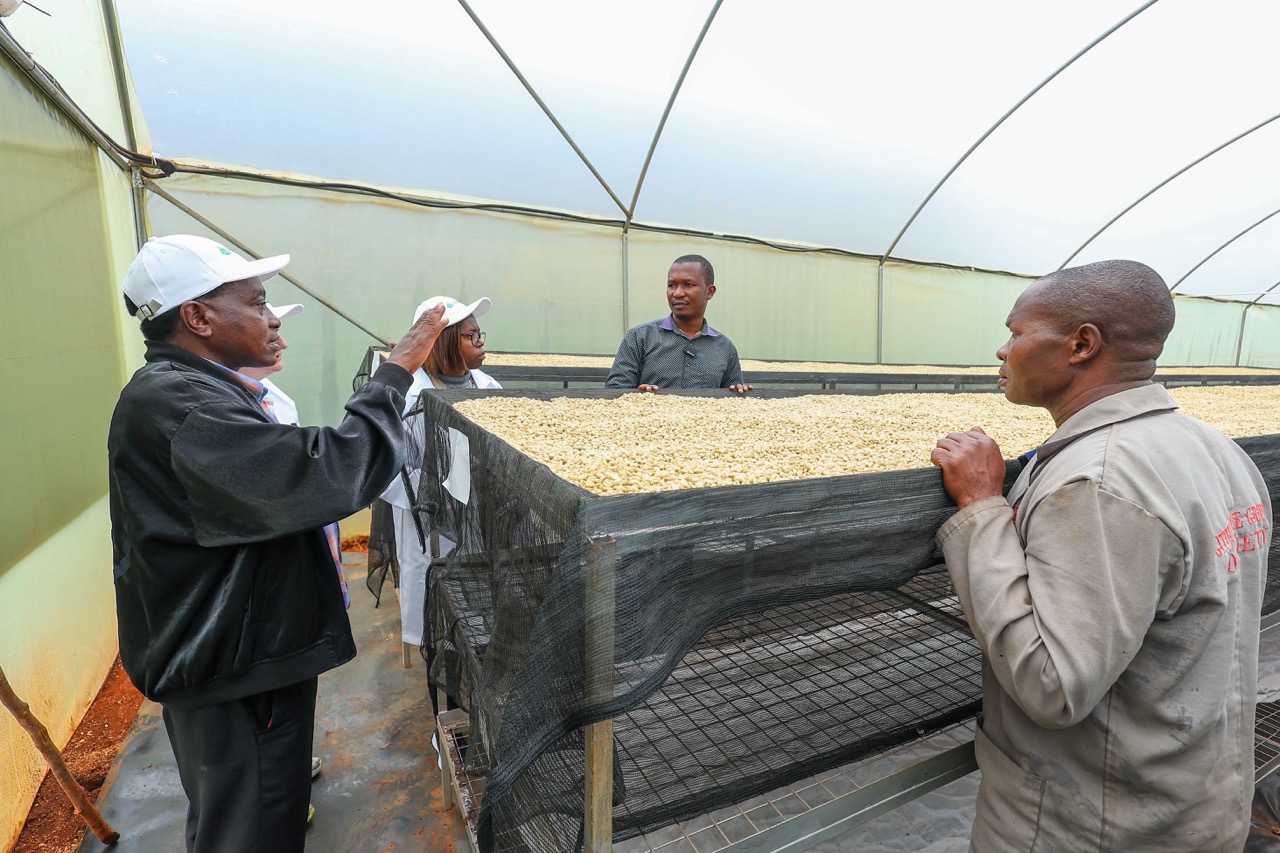
One smart solar dryer serving hundreds of farmers: how aggregation hubs work, who should run them, and what cooperatives, counties and funders should look for before investing.
Beyond Maize and Coffee: Drying Cassava, Ginger, Hibiscus and Herbs for Premium Markets
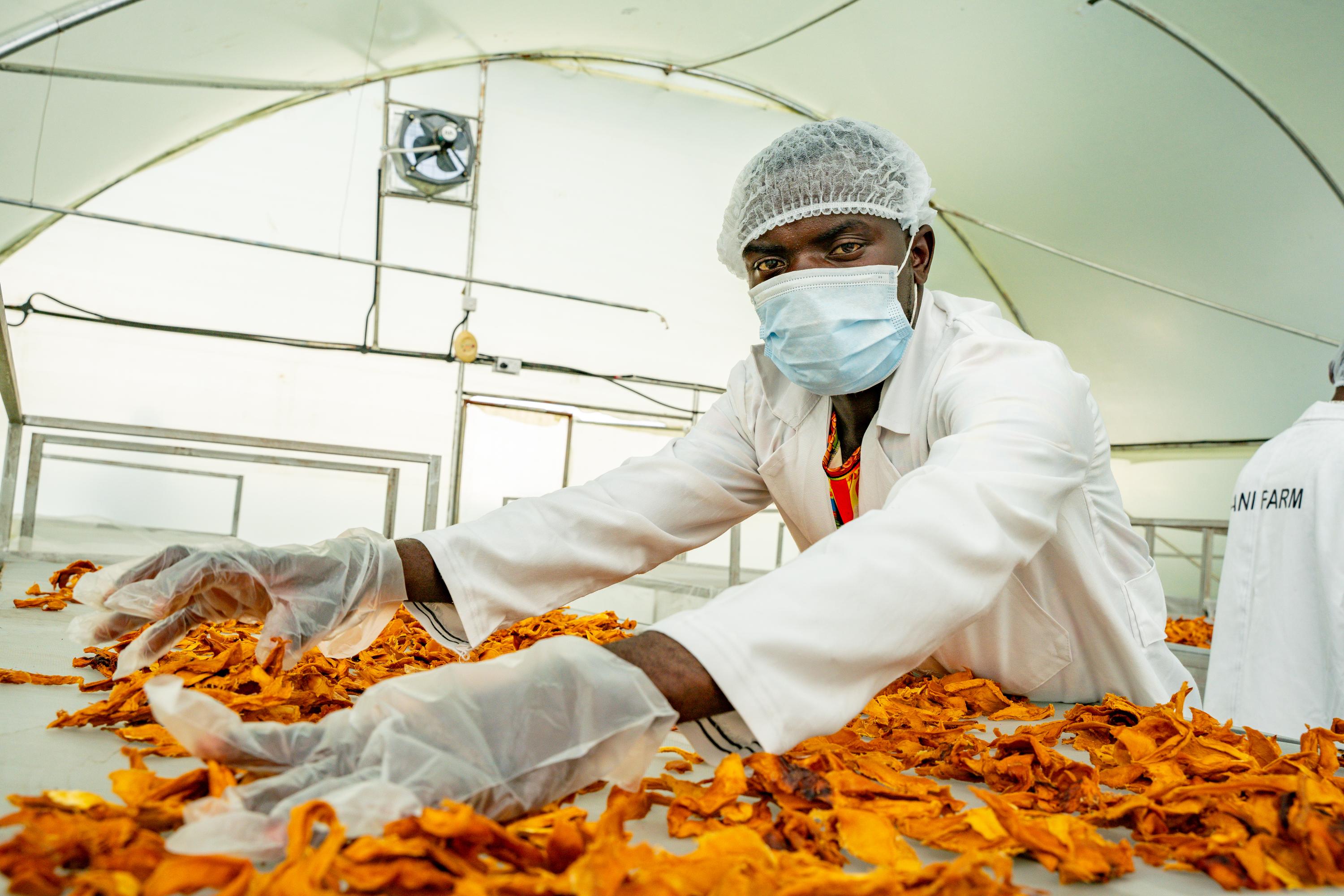
One smart solar dryer can serve many value chains. What it takes to dry cassava, sweet potato, ginger, hibiscus, herbs and vegetables to the standards premium buyers demand.