
How to Finance a Smart Solar Dryer in Kenya: Rent-to-Own, Bank Financing and Drying-as-a-Service
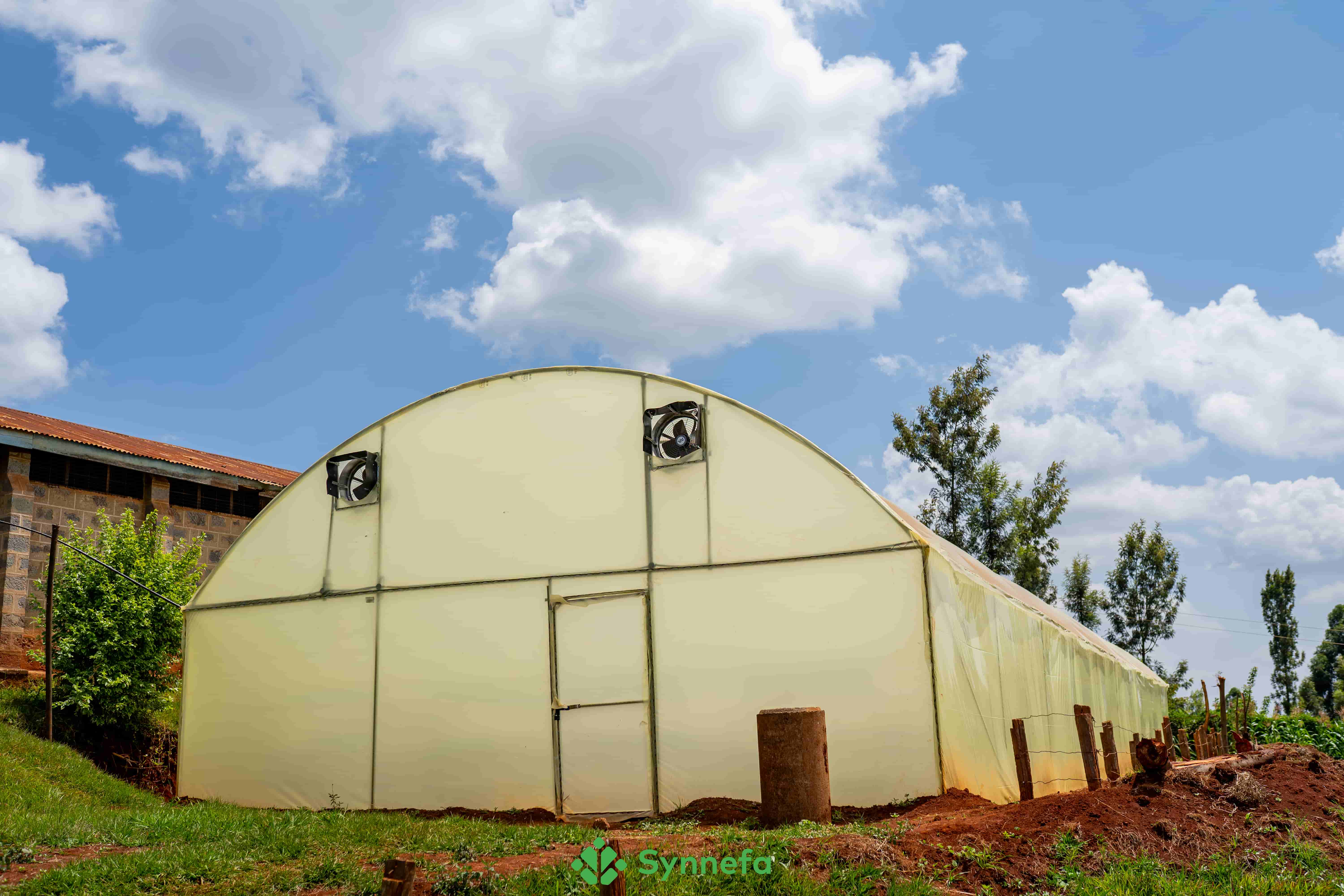
Ask any farmer or cooperative manager what stands between them and a solar dryer, and the answer is almost never "we don't need one." It is the upfront cost. Over the past few months, the most common question reaching our sales and customer success teams — by phone, by email and in farm visits — has not been about temperature ranges or drying times. It has been: "How do I pay for this?"
The good news is that in 2026 there are more ways to finance a smart solar dryer in Kenya than ever before. This guide walks through the four main options, what each one asks of you, and how to decide which fits your situation.
Why the sticker price is the wrong number to focus on
A solar dryer is not a consumable. It is productive infrastructure, closer to a dairy cooler or a posho mill than to a bag of fertiliser. That means the right question is not "what does it cost?" but "what does it earn, and how do I match repayments to that income?"
Poorly dried produce sells at a discount or gets rejected outright. Properly dried produce — coffee that hits its moisture spec, dried mango that keeps its colour, herbs that retain their aroma — commands a premium and opens doors to buyers who require consistent quality. The Food and Agriculture Organization estimates that around 14 percent of the world's food is lost between harvest and the retail shelf, before it ever reaches a consumer (FAO), and losses for perishables in sub-Saharan Africa are widely estimated to be considerably higher. Every percentage point of that loss you recover is income that can service a repayment plan. We covered the economics in more detail in The Real Cost of Post Harvest Loss in Kenya.
Option 1: Outright purchase
The simplest route. You pay for the dryer, it is yours from day one, and every shilling of drying value flows to you. Outright purchase suits established agribusinesses, processors and well-capitalised cooperatives that can treat the dryer as a capital expenditure. Pricing depends on the size and configuration you need — a small unit for a single farm is a very different investment from an industrial 8-metre by 30-metre installation — so the practical first step is to request a quotation based on your crop volumes.
Option 2: Rent-to-own
Rent-to-own has become the most requested payment plan among smallholder groups and mid-sized farms. The structure is straightforward: you pay a deposit — typically a significant share of the price rather than a token amount — and clear the balance in fixed monthly instalments while the dryer is already working on your farm. Ownership transfers once the final instalment is paid.
The strength of this model is timing. Instalments begin while the dryer is generating income, so the asset participates in paying for itself. The discipline it requires is honest cash-flow planning: if your crop is highly seasonal, discuss an instalment schedule that reflects your harvest calendar before you sign, not after.
Option 3: Bank asset financing
Kenyan banks and microfinance institutions increasingly treat agricultural equipment as a financeable asset, the way they have long treated tractors and vehicles. Under a typical asset-financing arrangement, you raise a modest upfront contribution — often around ten percent — and the lender finances the balance, repaid as a loan on terms you agree with the bank.
Lenders will want to see the basics in order: registration documents for your group or business, an active bank account with some transaction history, and a credible picture of the income the dryer will generate. Cooperatives and registered youth enterprises are often better placed here than individuals, because group structures give lenders more confidence. If you are new to agricultural credit, our earlier guide on how to get agri-loans for your agribusiness covers the fundamentals.
Option 4: Drying-as-a-service
You do not have to own a dryer to benefit from one. Under a drying-as-a-service model, a dryer is installed at an aggregation point — a cooperative, a processing centre, a market hub — and farmers pay per batch or per kilogramme dried. For an individual smallholder, this converts a capital cost into a small operating cost. For the hub operator, it creates a service business with recurring revenue.
This model is growing fastest where farmer groups already aggregate produce. If your cooperative is considering it, the operator economics matter as much as the technology — we will say more about that in our companion piece on aggregation hubs.
How to choose
A rough rule of thumb from the conversations we have every week: if you have steady year-round volumes and capital, buy outright. If you have reliable seasonal income but limited capital, rent-to-own keeps you in control while spreading the cost. If you have a strong group structure and banking history, asset financing usually offers the largest facility. And if your volumes are small or irregular, pay for drying as a service and let someone else carry the asset.
Whichever route you take, insist on understanding the full picture before committing: delivery timelines, installation, training, warranty terms and after-sales support should all be in writing in your quotation.
Frequently asked questions
What deposit do I need for rent-to-own?
Deposits vary by dryer size and plan, but expect a meaningful share of the total price upfront — commonly in the range of a third or more — followed by fixed monthly instalments. Ask for a schedule matched to your harvest seasons.
Can a self-help group or chama finance a dryer together?
Yes, and it is often the most practical route. A registered group can pool the deposit, qualify for asset financing more easily than an individual, and keep the dryer busy across members' harvests — which improves the economics for everyone.
Does financing include installation and training?
At Synnefa, quotations cover delivery, installation, operator training and after-sales support, so the financed amount reflects a working dryer rather than a kit in a crate. Always confirm this line by line in any quotation you receive.
Where do I start?
Talk to us about your crops, volumes and cash flow, and we will recommend a size and a payment plan to match. You can book a consultation directly with our team, or explore the basics first in our complete guide to solar dryers in Kenya.
Similar posts
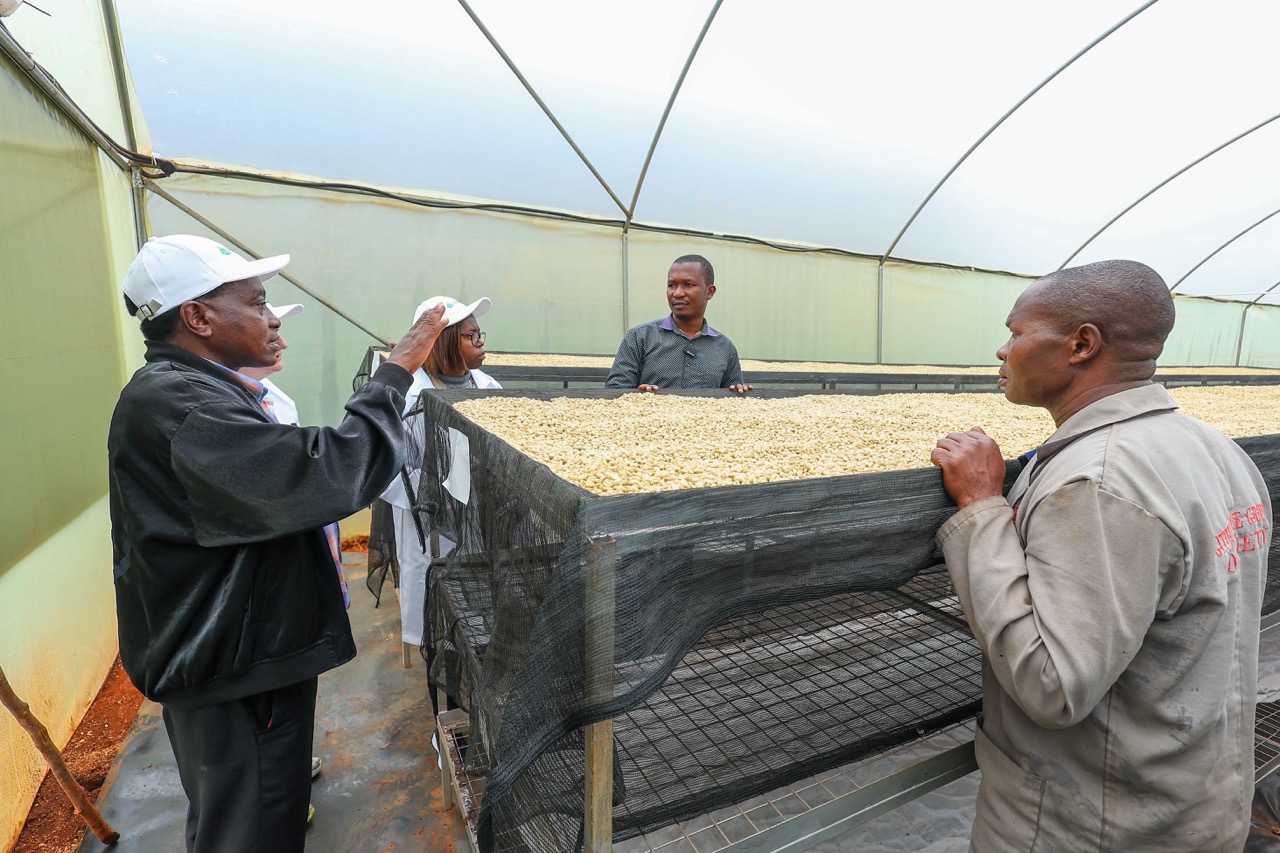
How Aggregation Hubs and Cooperatives Turn Crop Drying Into a Business
One smart solar dryer serving hundreds of farmers: how aggregation hubs work, who should run them, and what cooperatives, counties and funders should look for before investing.
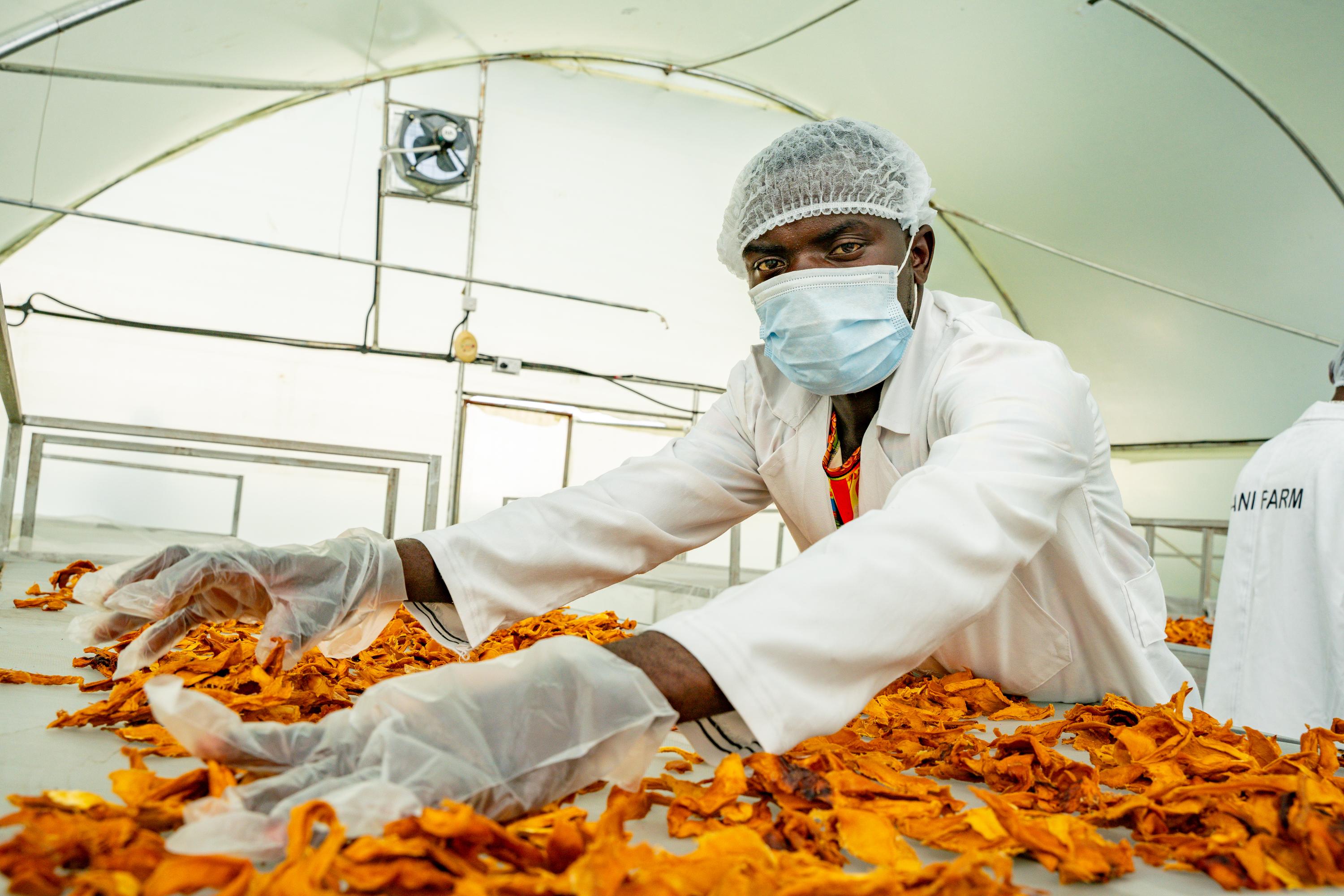
Beyond Maize and Coffee: Drying Cassava, Ginger, Hibiscus and Herbs for Premium Markets
One smart solar dryer can serve many value chains. What it takes to dry cassava, sweet potato, ginger, hibiscus, herbs and vegetables to the standards premium buyers demand.