
Gititu Coffee Growers Cooperative Society
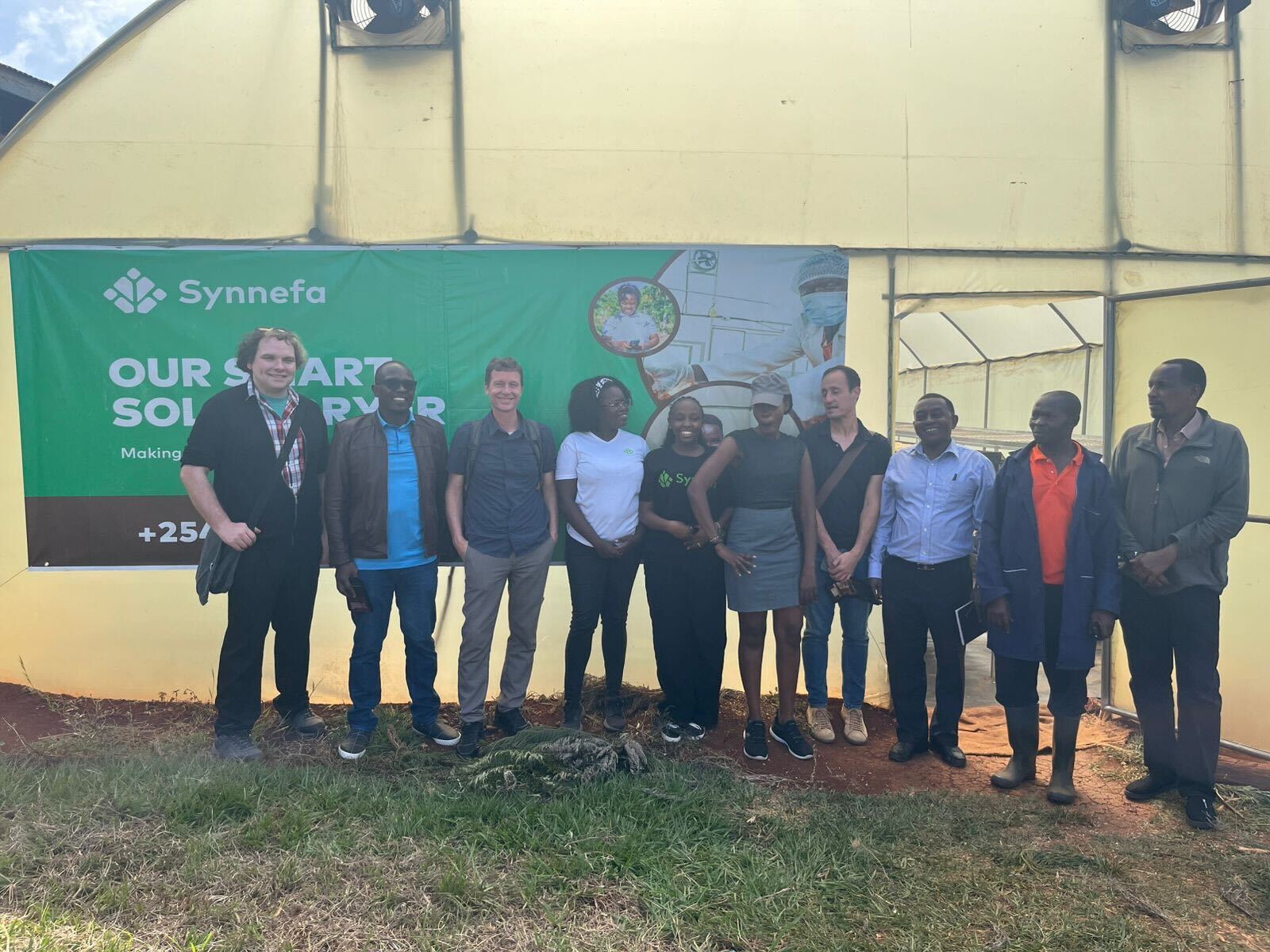
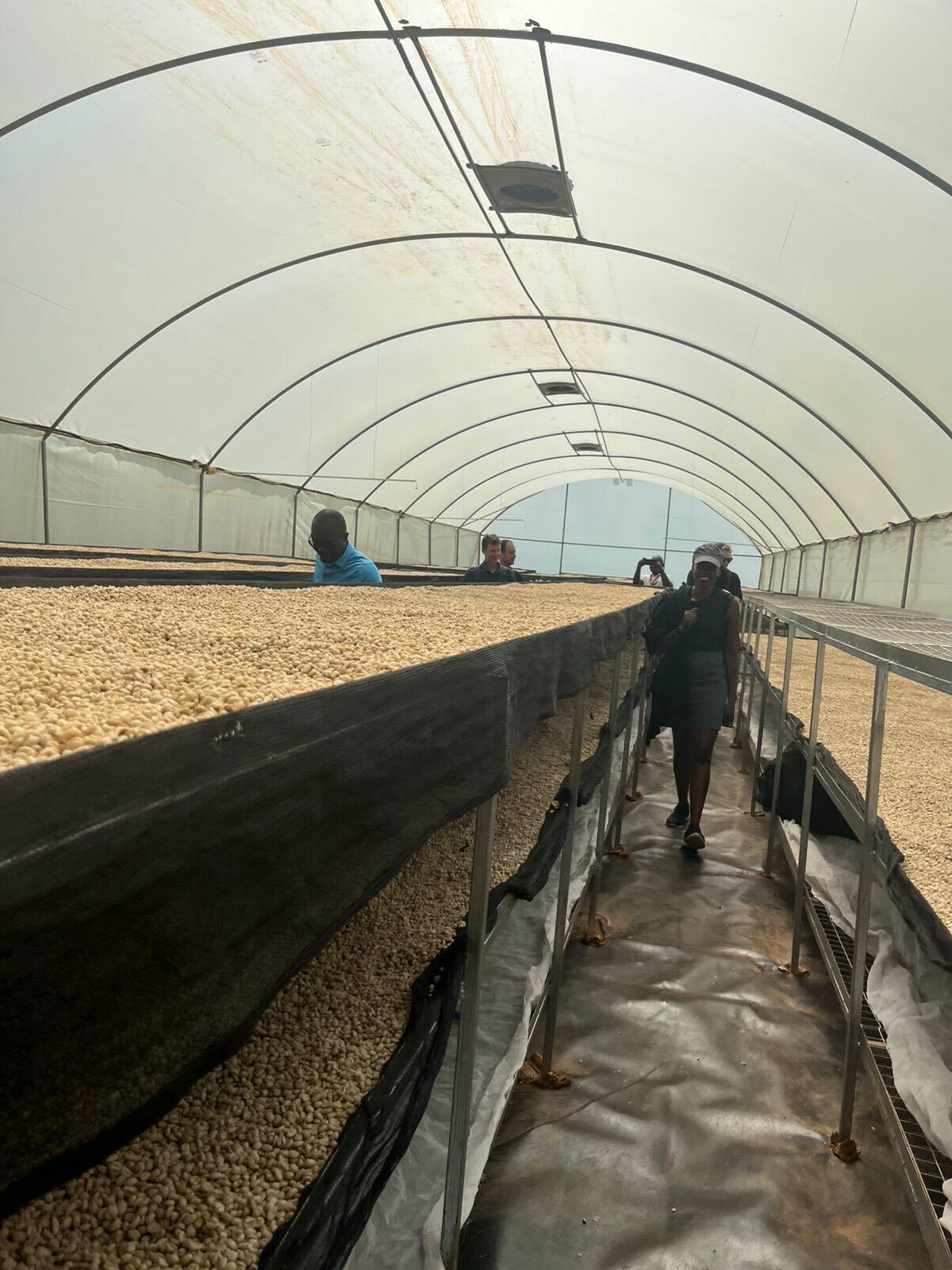
Synnefa partnered with Gititu Coffee Growers Cooperative Society Ltd to deploy a solar-powered coffee drying solution at the Kimathi Wet Mill, addressing one of the most persistent challenges faced by coffee cooperatives in Kenya: post-harvest losses, inconsistent drying, and dependence on weather conditions. At Kimathi Wet Mill, traditional sun drying exposed parchment coffee to rain damage, uneven moisture content, prolonged drying times, and quality degradation, directly impacting farmer incomes and market prices. Synnefa designed and implemented a climate-smart solar dryer system tailored specifically for cooperative-scale coffee processing. The solution enabled controlled, hygienic, and faster drying, ensuring uniform moisture levels critical for specialty coffee standards. By reducing drying time and protecting coffee from contamination and weather risks, the mill significantly improved quality consistency, cupping scores, and overall value per kilogram. Beyond the technology, Synnefa worked closely with the cooperative’s management and operators to ensure smooth integration into existing wet mill operations, providing on-site training and operational support. The result was a scalable, low-cost, and energy-efficient drying system aligned with Gititu’s long-term sustainability and quality goals. This project demonstrates Synnefa’s capability to work with farmer cooperatives, deliver commercially viable climate technologies, and translate innovation into measurable economic impact for smallholder farmers. Impact Highlights 1. Reduced drying time and post-harvest losses 2. Improved coffee quality and consistency 3. Increased resilience to weather-related risks 4. Lower operational costs through solar energy 5. Strengthened cooperative processing capacity Why It Matters The Kimathi Wet Mill project is a strong example of how Synnefa helps agricultural institutions move from weather-dependent processes to resilient, modern post-harvest systems—unlocking better prices, higher farmer incomes, and long-term sustainability.
